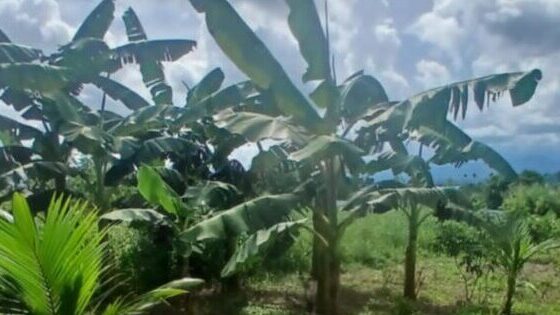
Bananas, Production And How to Profit from it
Exploring our Banana Diversity at Jessie’s Sunshine Farm
At Jessie’s Sunshine Farm, we take pride in cultivating a vibrant and diverse collection of bananas. Varieties that reflect the richness of our land and the depth of our agricultural heritage. While much of the world recognizes only a handful of commercial brands such as Dole and Chiquita, our farm celebrates the true diversity of the banana family—a treasure that thrives abundantly in Mindanao’s fertile soil.
A Celebration of Variety and Flavor
We currently nurture a healthy collection of over six hundred banana plants, representing several distinct and beloved Filipino varieties:
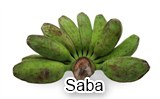
- Saba – a traditional cooking banana ideal for turon, bananacue, and ginataang saging. Along the outskirts of the farm.
- Tindok – known for its tall stature and firm fruit, a favorite for grilling and local delicacies. Grows on the East side of Middle Island Section
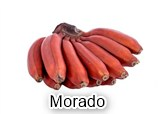
- Morado – an eye-catching purple banana with a smooth texture and subtle sweetness. We grows on the West side of Middle Island Section
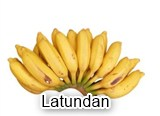
- Latundan – sweet, round, and fragrant; often enjoyed fresh and perfect for home tables. Grows in the Lower Island Section
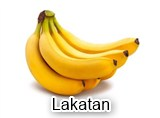
- Lakatan – rich in color and flavor, regarded as one of the premium dessert bananas in the Philippines. Grows in the Upper Island Section
- Señorita (Suha or Cariñosa) – a small, delicate variety with a creamy taste that children and visitors love. Not for sale.
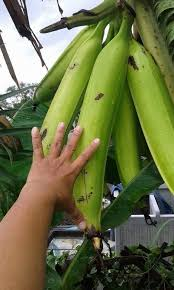
- Bulkan (or Bulcan) – known for its large bunches, strong stems, and resilience in varied growing conditions. Growing wild along our creek
- And some mini bananas with miniscule hands and fruit.
Each variety contributes uniquely to our farm’s ecosystem, creating both economic opportunity and culinary diversity for our region.
Sourcing and Planting Techniques
Our journey began with the Saba variety, we sourced from Jerry Baricuatro’s farm in Bismartz. We carefully clean healthy seedlings , transported, and planted them in our Chapel Section, East Entrance Section, and East Barangay Road Section. Saba is marking the humble beginning of our banana expansion. Soon after, Latundan seedlings from our neighbor, Maria Flor Abellanosa, joined the collection, enriching our farm’s biodiversity.
At Jessie’s Sunshine Farm, we follow strict and deliberate planting practices. Before planting, we clean each sucker to remove potential pests and treated with organic root stimulants. Our auger digs deep holes and we then layer the holes with compost, i.e. coconut husks, leaves, and carbonized rice hulls to enhance drainage and moisture retention. The spacing between plants ensures proper airflow and sunlight exposure. Two essential elements for healthy growth. We plant Bananas in two rows in between our coconut tree lines. That keeps the rows 3 meters apart and the plants we also pace at a 3 meter distance.
Additionally, our team carries out regular pruning to maintain only one mother plant, one follower, and one little sucker. This is optimizing nutrient distribution and ensuring consistent fruiting. We rely on natural fertilizers such as vermicast and fermented plant juice, allowing our bananas to thrive in harmony with the soil’s natural rhythm.
Regional Relevance and Market Vision
Located near the south of Bukidnon, we grow our bananas within our farm but transport them to the local markets in our region: Don Carlos, Kibawe, Kadingilan, and Maramag. These towns form our immediate regional market, Places where our fruit travels fresh from the farm to homes, public markets, and local establishments. We aim to strengthen these local and regional ties by offering farm-direct produce that is cleaner, fresher, and cultivated with care.
As demand for naturally grown fruits increases, Jessie’s Sunshine Farm is positioned to become a trusted regional supplier of diverse banana products. From fresh bunches to processed goods such as banana chips, vinegar, and fiber-based crafts. Hence each harvest represents more than fruit. It also embodies our vision for sustainable agriculture, community cooperation, and honest livelihood. The nearby Dole Plantation exports their produce while we at Jessie’s Sunshine Farm supply local and regional markets. There is no competition.
Looking a Year or Two Ahead
As of September 2025, our farm hosts approximately six hundred plants across these five species, with plans for further expansion.
Lessons Learned in Agriculture
Initially, we received misleading advice about cutting roots and mixing them with vermicast, which led to significant plant loss due to the acidity of the vermicast and our soil. This experience underscored the importance of education in farming practices, highlighting that learning from mistakes is an integral part of agricultural development.
Farm Layout and Sustainability
In order to maximize productivity and sustainability we strictly follow a sectorial layout across the whole farm. We plant two rows of coconut trees (Catigan dwarf, Tacunan dwarf, and Catigan hybrid, and a handful of Yellow Kings) flanking two central rows of bananas as the third canopy in our system. This arrangement provides sun for coconut trees due to their height and shade for coffee or other shade loving trees. It also generates organic material for vermicast, alongside food sources for our animals.
Future Prospects
Our Saba bananas will serve multiple purposes, including feeding our pigs and dogs while also supplying the local markets in Don Carlos and Kadingilan. Additionally, banana peels are repurposed as animal fee, or mixed with compost and vermicast, exemplifying our commitment to resource efficiency.
At Jessie’s Sunshine Farm, we invite you to follow our journey as we continue to learn and grow in the world of sustainable agriculture. Join us in exploring the diverse and delicious possibilities that banana cultivation offers