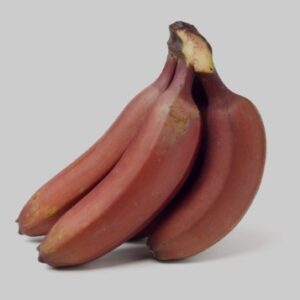
Saba
Description
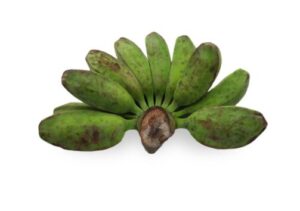
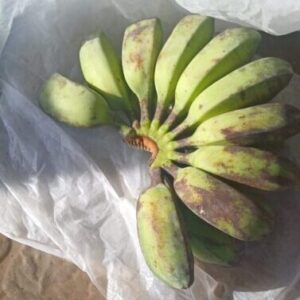
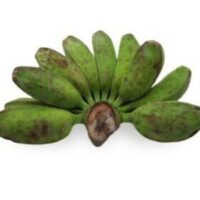
Saba bunches fresh from the plant.
Organically grown bananas.
No chemical used like in Big Plantations.
The Saba banana — also known as Cardaba or plantain banana — is a beloved variety in the Philippines and across Southeast Asia, prized for both its distinct taste and impressive nutritional value.
Here’s a breakdown of its taste profile and nutritional benefits:
Taste and Texture
Saba bananas are large, thick, and starchy, setting them apart from sweet dessert bananas like Lakatan or Cavendish.
When unripe (green): The flesh is firm and slightly tangy with a mild, earthy flavor. It’s perfect for cooking — boiled, fried, or stewed.
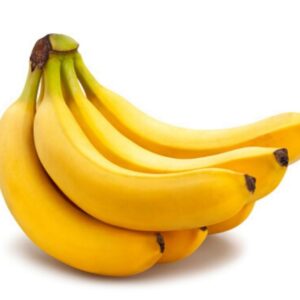
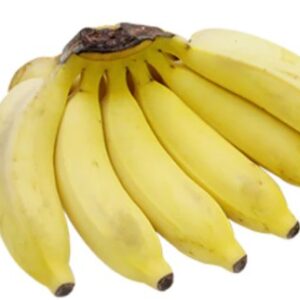
When ripe (yellow to black skin): The starch converts into natural sugars, creating a sweet, creamy, and rich flavor with hints of vanilla and honey. The texture softens beautifully, making it ideal for snacks and desserts like banana cue, turon, or ginanggang.
Cooked aroma: Sweet and comforting, similar to roasted sweet potato or caramelized fruit.
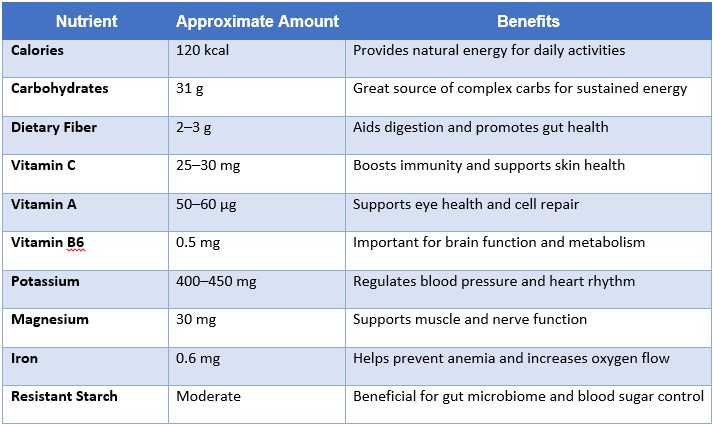
🥗 Nutritional Highlights (per 100g serving)
💪 Health Benefits
Energy booster: Ideal for farmers, athletes, and active individuals.
Heart-friendly: High potassium helps manage blood pressure naturally.
Digestive support: The fiber and resistant starch promote healthy digestion.
Immunity enhancer: Vitamin C and antioxidants strengthen the body’s defenses.
Natural fuel for livestock: Saba bananas are also excellent for animal feed, providing dense nutrition for pigs, goats, and poultry.
🍌 Fun Fact
The Saba banana is incredibly versatile — it can be eaten fresh, boiled, grilled, or fried, and even made into banana chips, flour, or vinegar. No part goes to waste — the leaves, peels, and stalks all serve purposes on the farm.
For more insights go here: Our Fruit Trees and Research