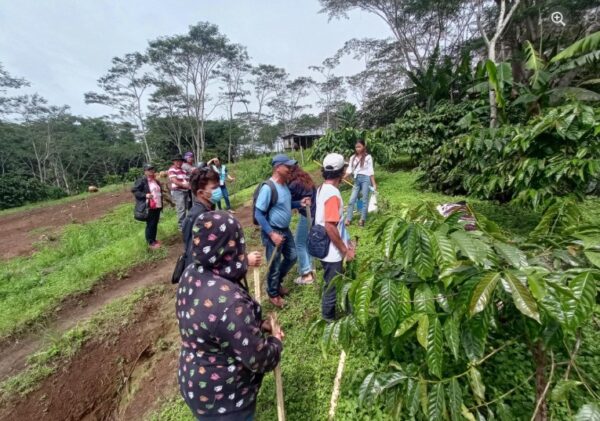
We Love the Nature of our Project
A Journey of Growth Under the Sunshine
Overall Introduction: Phases 1–5
Jessie’s Sunshine Farm is more than just a piece of cultivated land. It is a living vision of harmony between nature, community, and sustainable enterprise. From its humble beginnings as raw, unshaped terrain, the farm has grown through five transformative phases, each one laying the foundation for the next.
What began as a simple dream to create a self-sustaining agricultural space has evolved into a thriving ecosystem of crops, structures, people, and purpose.
A Journey of Growth Under the Sunshine
Phase 1: Our Project, Was Not Easily Founded
The journey began with Phase 1: Acquisition and Preparation.
The stage where the dream took physical form.
This phase focused on acquiring and mapping the land.
Organizing the first team of workers, and establishing the farm’s basic layout.
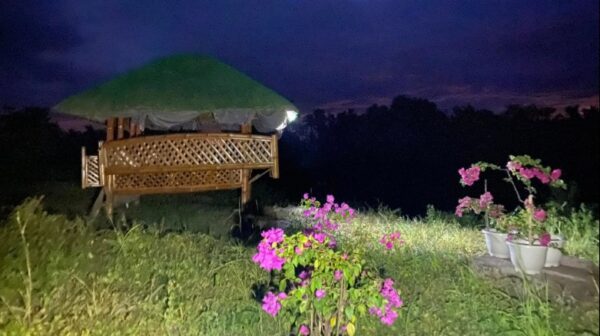
The construction of the first Kubo at the garden symbolized the farm’s heartbeat.
A home and hub for planning and rest.
Clearing brush, cutting old manga and gmelina trees, and shaping the cliffs laid the groundwork for future development.
It was a time of vision-setting and physical effort, where every shovel of earth represented the planting of long-term purpose.
Phase 2: Planting Under the Sun and Structural Growth
With the land prepared, Phase 2 brought life and structure. The farm entered its first major planting stage with 800 coconuts and 140 oil palms, supported by the planting of multiple banana varieties.
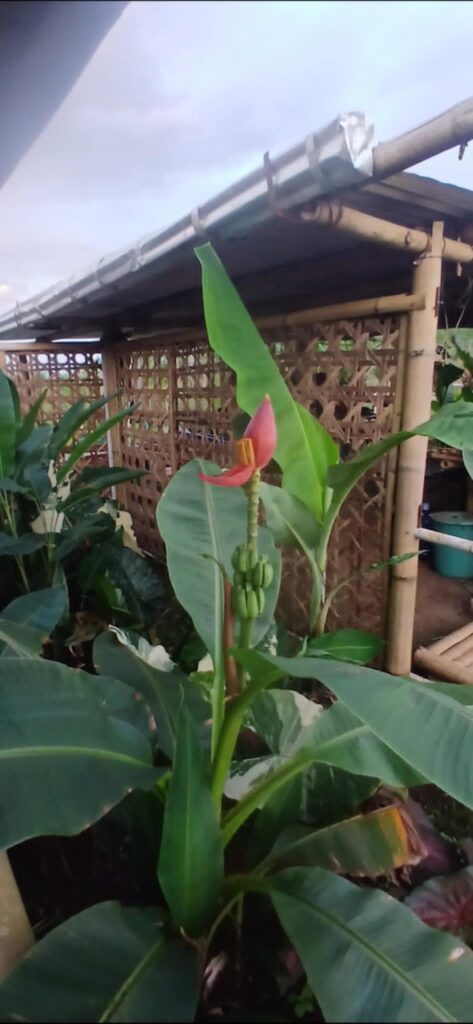
Lakatan, Latundan, Morado, and Saba. Roads and fencing were completed, and major constructions began: the Function Hall, Café, Seedling House, and Chicken Coop.
This phase also introduced digital management and remote coordination systems, marking Jessie’s Sunshine Farm as a pioneer of modern, organized farming. A detailed website, worker task management, and Zoom-based administration allowed efficient oversight from anywhere.
Phase 3: New Value Tree Integration – Infrastructure Progress
Phase 3 was the stage of value tree diversification and mechanization. Hundreds of new fruit trees to be introduced across three canopy levels — from Catigan and hybrid coconuts in the first canopy, to durian, lanzones, mangosteen, citrus, and mango varieties in the second, and calamansi, cacao, coffee, papaya, and bananas in the third.
To support this expanding operation, the farm acquires major equipment. An excavator and a 5-ton truck, This will establishing independence and mobility.
The workshop will be built with electrical hookups and a emergency genset, servicing machinery repair, training, and storage. The administration building will be completed, bringing coordination and professionalism to the forefront.
At this stage, Jessie’s Sunshine Farm transitions from a developing property to a self-sustaining agricultural system with machinery, logistics, and digital management working in sync.
Phase 4: The Ultimate Market Integration and Tourism Development
As the trees matured and yields began, Phase 4 focused on production and early harvests, especially in coconut processing. Jessie’s Sunshine Farm will be producing virgin coconut oil and copra. The farm will begin weekly truck deliveries to local markets and agricultural trading companies in Don Carlos, Masimag, Maramag, Kibawe, Kadingilan, and Mahayahay, establishing consistent trade routes and partnerships.
Simultaneously, tourism will take off and blossoming. The Function Hall is being equipped with two Group Cottages for seminars and events, while cottages by the West Cliff and White Lady Mango Tree invites guests for “farm-stay” vacations and work-while-you-learn experiences, Sunshine Village. The farm become a place where production meets hospitality. It is a living classroom where visitors experienced real farming life beneath the coconut canopy. Transforming a working farm into an organized agricultural enterprise.
Phase 5: Exclusive Branding of Products in the Region
In Phase 5, Jessie’s Sunshine Farm matures into a brand — recognized for its authenticity and sustainability. The focus shifts toward product identity, regional partnerships, and educational collaboration.
A processing hub for coconut oil, copra, cacao, and dried fruits would have been established, along with eco-friendly packaging and the “Sunshine” brand line. Market consolidation across Bukidnon continues, and partnerships with cooperatives, schools, and local governments will take shape.
Tourism expands into eco-retreats and
educational programs, offering visitors a blend of leisure, learning, and wellness. Digital systems evolve into a full e-commerce and booking platform, connecting the farm with buyers and tourists across the region.
By the end of Phase 5, Jessie’s Sunshine Farm should stand not just as a productive agricultural enterprise, but as a model of modern rural prosperity where technology, community, and nature grow together in balance.
Conclusion
Through Phases 1 to 5, Jessie’s Sunshine Farm has transformed from untouched soil into a vibrant, self-sustaining, and technologically integrated farm village, Sunshine Village. It now embodies the ideals of regenerative agriculture, eco-tourism, and educational collaboration.
Each phase tells a story of steady growth — from roots to roads, from trees to trade, and from vision to reality. Under the same sunshine that nurtures every coconut and fruit tree, Jessie’s Sunshine Farm continues to grow. Not only as a business but as a living legacy of sustainable Filipino farming.