Our Mindanao

Unspecified Category

Coconuts Our Mindanao

Super Ready for Coconuts – Excited to See Rain

Please Share our Content
Three Weeks Without Rain, and One Very Happy Farmer

There is one thing you learn very quickly when working on a farm in Bukidnon: you can make a plan, but Mother Nature gets the final vote. The rain stayed away even it is wet season.

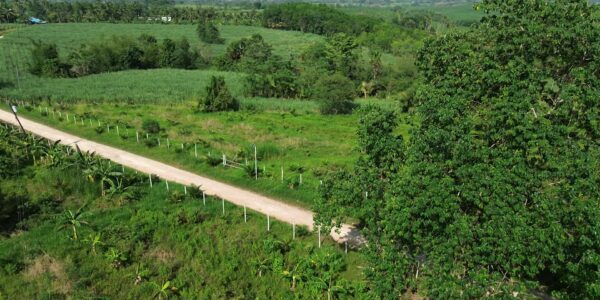
Even our Main Road is dusty and dry. —>
Click to enlarge!

Main Road through our Farm to Barangay,
Click to enlarge.
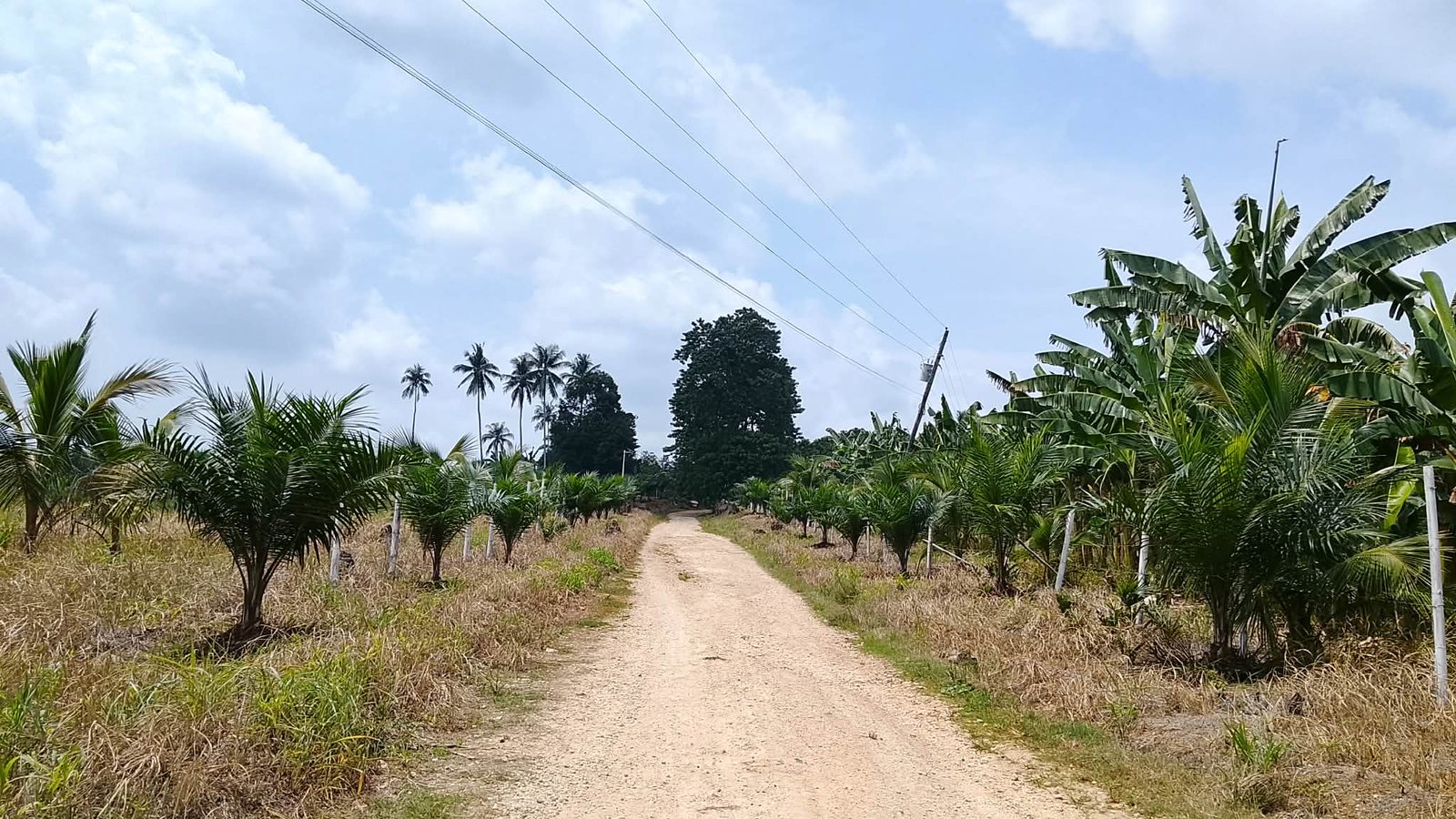
Our Main Road through our Farm

At Jessie’s Sunshine Farm, we had a plan.

We had 126 coconut seedlings ready to go into the ground.

  • We had people to organize,
  • tools to prepare,
  • fertilizer to arrange, and
  • different sections of the farm waiting for their new residents.
Everything was ready. Except for one small problem, rain.
  • It didn’t rain.
  • Not for a day.
  • Not for two days.
  • Not even for a reasonable amount of time.

We waited through three weeks of dry weather while the soil became harder and harder. The coconut seedlings were ready, the people were ready, and I was ready.

The ground, however, basically said:

“Not today, Boss.” So we waited.

That is one of the lessons farming teaches you. Sometimes the smartest thing you can do is nothing. At least until the conditions are right.

Then Finally, the Rain Came

And suddenly the farm became alive again.

The soil became soft and workable. The ground was ready to accept the young coconut trees, and we knew we had our opportunity.

Time to plant!

The 126-Coconut Operation

Now, 126 coconut trees may not sound like a huge number. But try organizing 126 trees, people, tools, fertilizer, digging, transportation and planting locations, and suddenly 126 becomes a very large number.

  • First, we have to decide where each section will receive its trees.
  • Then we need people in the right places.
  • Someone has to dig.
  • Someone has to carry.
  • Someone has to prepare fertilizer.
  • Someone has to make sure the seedlings arrive without being treated like sacks of potatoes.
  • And, of course, somebody has to supervise.
  • That last job is very important. At least, that’s what the supervisor tells everyone.

The goal is not simply to put 126 coconut seedlings into the ground. We want to establish them properly so that we can monitor their growth and care for them as they develop.

That means good organization today can save us a lot of headaches tomorrow.
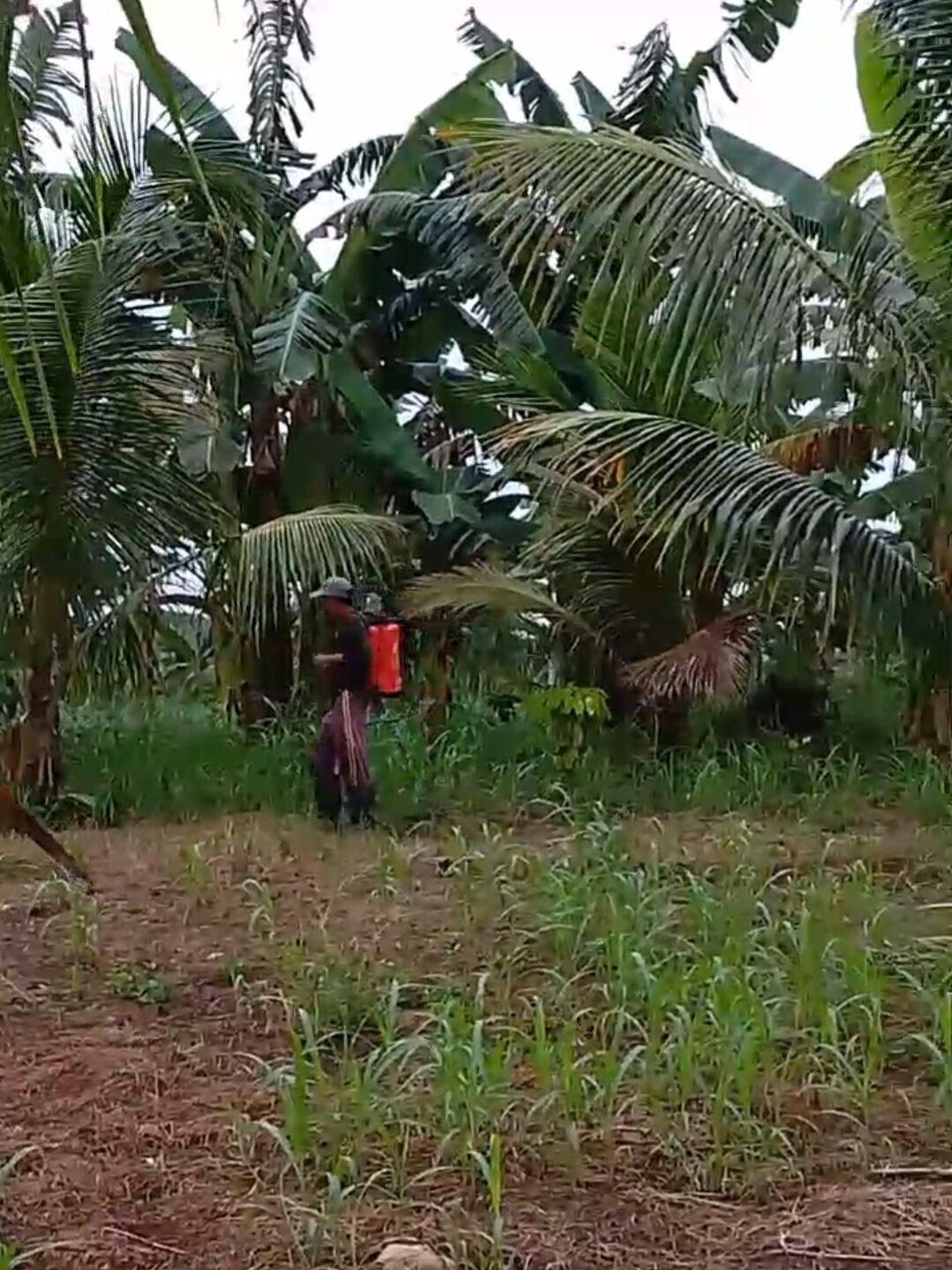
To have success in Farming you must be diligent and meticulous.

The Rain Changed Everything

Those three weeks without rain were frustrating, but they also reminded me that farming is about timing.

We could have planted earlier, but planting young coconut trees into extremely dry, hard soil would not have been ideal.
Now the rain has softened the soil.
This is the window we were waiting for.
The coconut trees can go into the ground with moisture already available, giving their roots a better start.

And that is what makes farming exciting. You prepare for something long before you know exactly when the opportunity will arrive. Then, when the opportunity finally appears, you have to be ready. Another Step in the Farm’s Story.

These 126 Coconuts are More than just 126 Trees.

We have already been learning about planting, fertilizing, pruning, harvesting, monitoring tree health, and bringing farm products into the market. Now we are adding the final group of young coconut trees to that growing system.

They are another step in the long-term development of Jessie’s Sunshine Farm. Every coconut trees produces a small amount of income.

Coconut is not a crop where you plant today and celebrate a big harvest tomorrow.

  • It takes patience.
  • A lot of patience.
  • You plant the tree.
  • You care for it.
  • You fertilize it.
  • You check it.
  • You wait.
  • Then you check it again.

Our 126 Seedlings
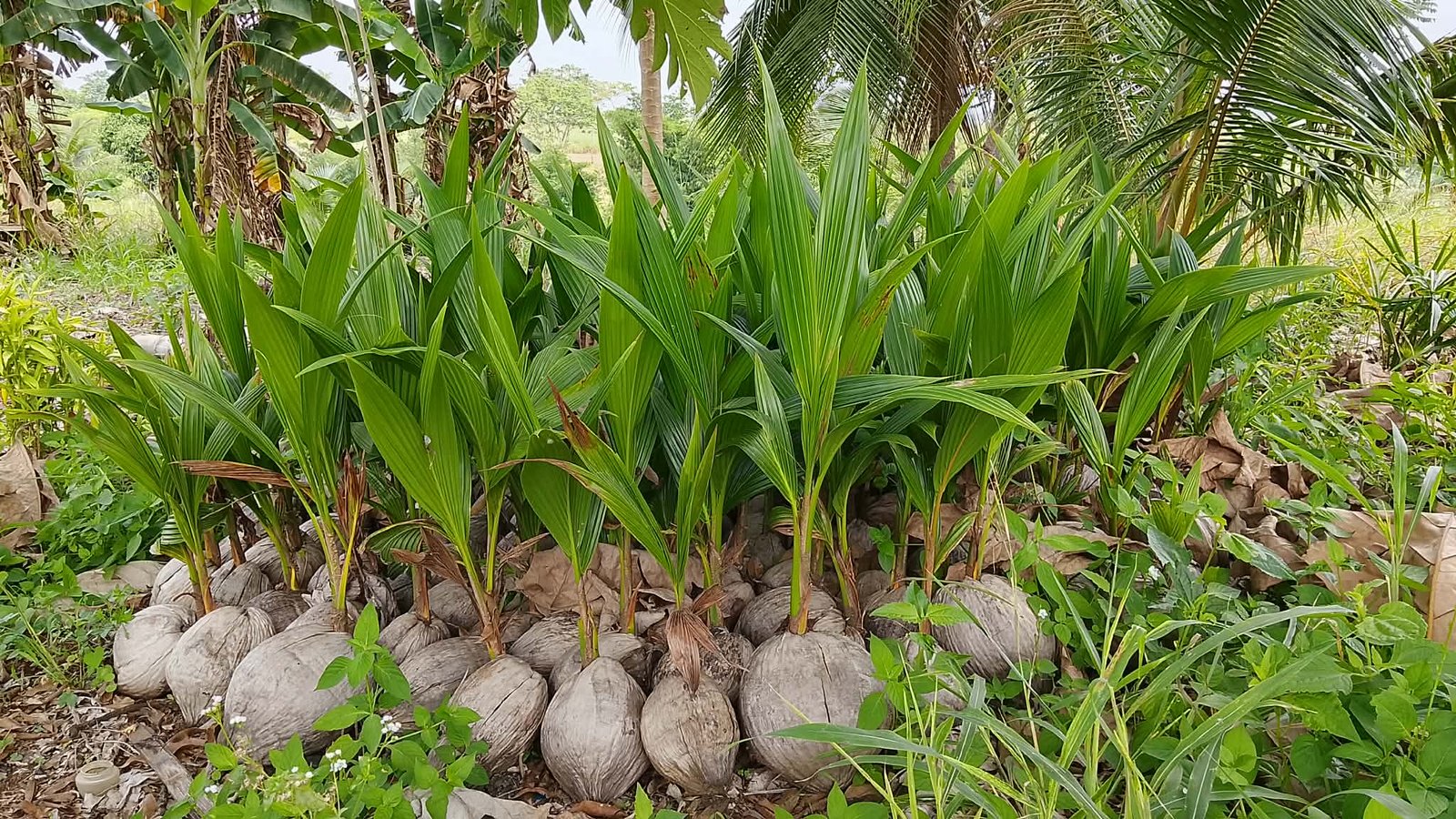
Our coconut seedlings sitting under the old mango tree for acclimatization

And eventually, years later, you look up and realize that the little seedling you planted has become a mature coconut tree. That is the part of farming I appreciate most. You are always working for a future you cannot see yet.

One Tree at a Time

Will everything go perfectly?

  • Probably not.
  • Some trees will grow faster.
  • Some will need extra attention.
  • Some may get sick.
  • And somebody will probably lose a shovel.
  • But that’s farming.
  • We learn.
  • And let’s get to work.

Our Upper Access Road, East Gate,
Click to enlarge.
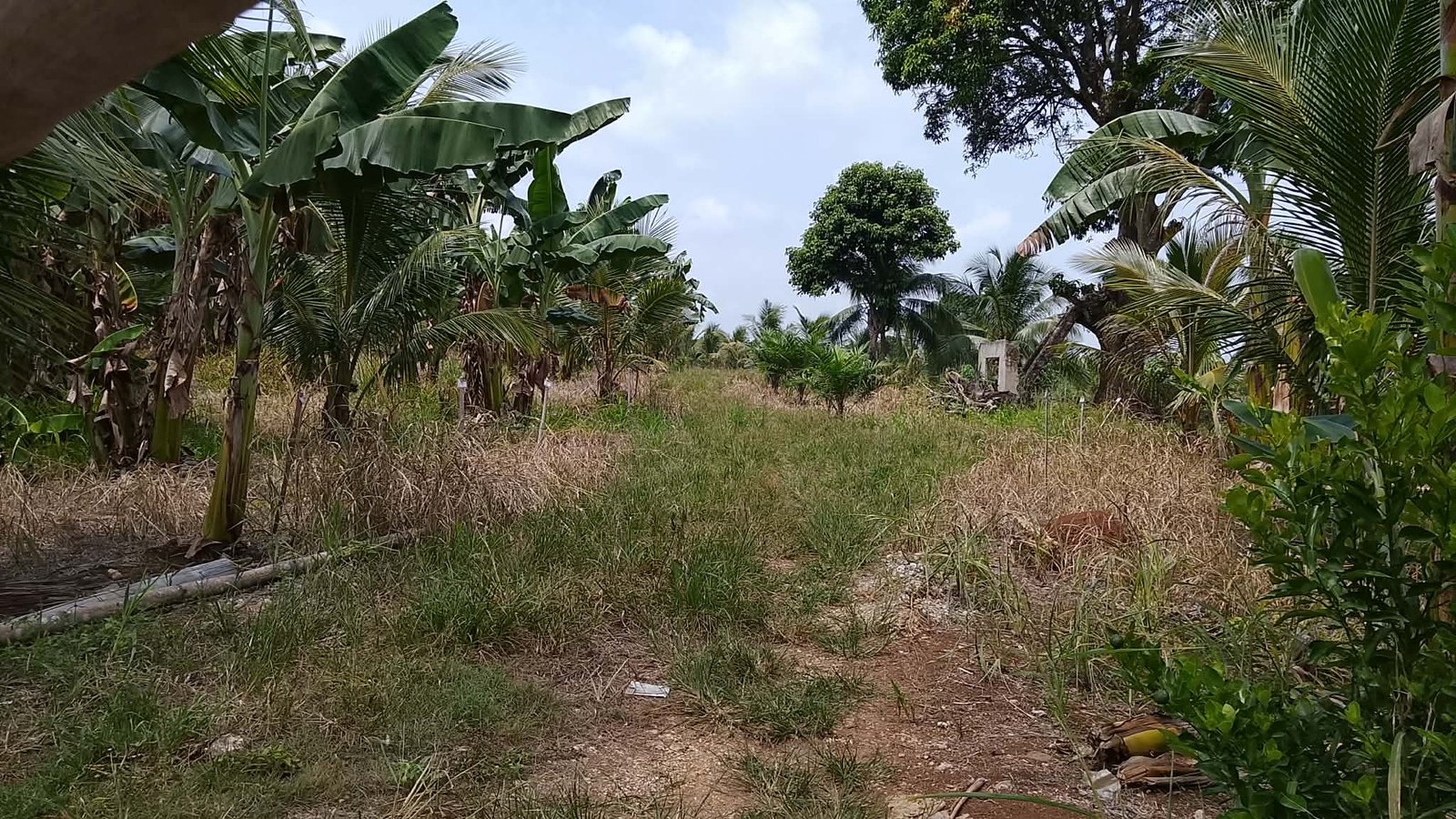
Upper Access Road from East Entrance

One coconut tree at a time, we are building the future of Jessie’s Sunshine Farm. And if anyone asks when we’re finished planting all 126 trees, I already know the answer:

“When the shovel comes back.”
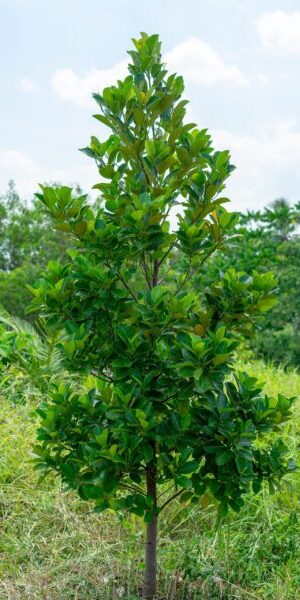
The land is prepared.

The rains are coming.

Your future is waiting to be planted.

Please Share our Content
Bananas Coconuts Fruit Trees Our Mindanao

Very Excited about First Harvest

Please Share our Content

Work and Progress in Phase 3

At Jessie’s Sunshine Farm we are eager moving forward in care, one step at a time. What may appear to be simple farm work, such as fertilizing trees, counting plants, inspecting crops, treating sick trees, and preparing harvests, is actually part of a larger process that builds a sustainable and productive agricultural enterprise. Phase 3 of the farm’s development shifts from planting and establishment toward production, market integration, and long-term sustainability.

Coconut Trees

One important activity is fertilizing the coconut trees. Coconuts are still about a year away from meaningful production, so patience is essential. These trees are a major long-term investment and will form the farm’s main canopy and economic foundation.

Today, we feed the trees with balanced nutrients. We are pruning and weeding the plantation to reduce competition. Monitoring the trees’ health and inspect their development for signs of pathogens is important. We also maintain irrigation, soil structure, and drainage to support long-term growth.

These efforts aim to strengthen the canopy and the grove’s economic foundation. When conditions align, the trees will contribute to a reliable harvest. Until then, patience and careful stewardship sustain the project.

Bananas

At the same time, the farm is beginning to experience the rewards of earlier work. Bananas are reaching their first harvest and are now moving into market integration. we sold our first 200 kg. This is an important milestone. Farming is not complete when we harvest. We must count, prepare, and market the produce. We try to connect with reliable buyers. The banana harvest therefore provides practical experience in moving from production into the marketplace. It is an important learning step toward developing a dependable farm-to-market system.

Calamansi

Our next crop for this process is Calamansi. We planted about 50 trees. As with bananas, the goal is not simply to grow the fruit but to understand how production can connect with customers and markets. This follows the Phase 3 vision of creating multiple layers of production and multiple sources of future farm income. We identify Calamansi as an important crop for fresh markets. Despite that Calamansi is usually a fruit for the third canopy, we planted our first 50 trees along our access roads.

Oil Palms

Meanwhile, the palm oil trees are flowering. We planted 156 trees. We planted them in a somehow more dens configuration along boundary lines and roads. If development continues as expected, they may be ready for harvesting in approximately six months. This gives the farm another opportunity to learn the complete production cycle, from flowering and fruit development to harvesting, handling, and eventual market integration.

Inventory Count

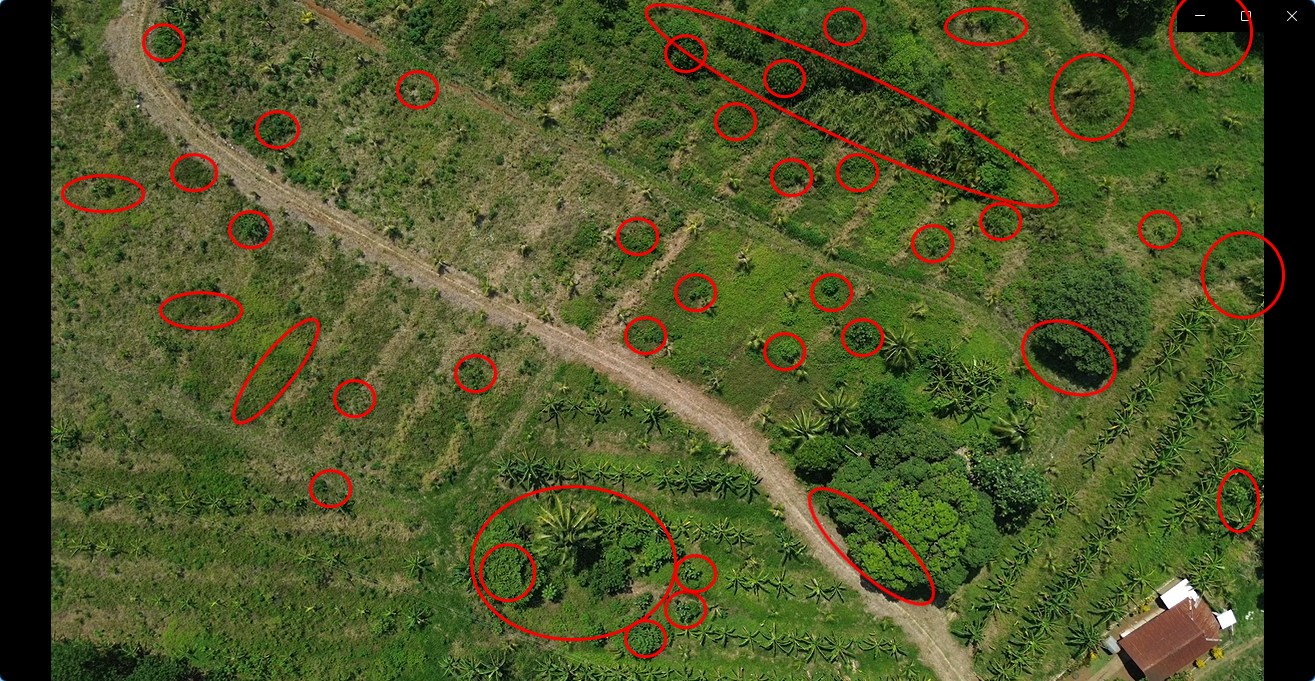
Much of the work right now involves inventory and careful inspection. We inspect and count all our trees. What are their condition? When they look sick or not well, we document the case. We use section name, row number, and tree number for identification. We use a red ribbon to identify trees that we must replace, while we use a blue ribbon to identify sick trees that require treatment. These trees are also recorded in the farm’s “Special Treatment List“, allowing them to be followed up rather than forgotten. This system reflects an important lesson in agriculture: good management depends on observation, documentation, and consistent follow-through.

Some sick trees are now being cured and monitored, rather than immediately removed. This teaches the farm team to distinguish between trees that can recover and those that ultimately need replacement. Such decisions require patience, due diligence, and careful observation.

Behind the physical farm work is an increasingly organized management system. Weekly Zoom meetings provide communication and direction, while payroll and planning are handled remotely, procurement is handled locally. This allows the farm’s management to remain connected even when operations are taking place in the field.

Read about Phase 3 of our Development

Tree Inventory assessment

Documenting Health Status

Banana Harvest

Weeding and Cleaning

What is Progress

The progress at Jessie’s Sunshine Farm is therefore not measured only by how many trees are planted or how much fruit is harvested. It is also measured by the knowledge being gained. We pay for education and development. Every inspection, ribbon, inventory count, treatment, harvest, meeting, and market connection is part of a learning process.

The farm is growing through small steps at a time. Some crops are producing now, some are preparing to enter the market, and others, especially the coconuts, require another year of patient care. The palm oil is approaching its first harvest within 6 months, while calamansi is preparing for its turn now.

This is the reality of building a farm for the long term:

  • patience before profit,
  • diligence before expansion,
  • learning before perfection, and
  • good workmanship, trust.

Jessie’s Sunshine Farm continues to develop not by rushing the process, but by carefully doing the work required today to create a stronger and more sustainable farm tomorrow.

Please Share our Content
Our Mindanao

How to transform barren land by hand

Please Share our Content

From Barren Hills to Blossoming Hope

In the rolling hills of Mindanao, where the warm sun kisses the earth each morning, Jessie’s Sunshine Farm stands as a living testament to resilience and renewal. What began as a patchwork of challenging land, cutting trees, steep slopes prone to landslides and soil weary from years of neglect—has transformed into a thriving haven of coconut palms, fruit trees, and human dreams. This is not just a farm story. It is a story of faith, hard work, and the quiet power of choosing hope every single day.

Years ago, when the idea first took root, many doubted it. “The rains are too heavy here,” some said. “The land is too difficult.” Yet the vision was clear: create a place where families could find dignity through honest labor, where the soil could heal, and where future generations could inherit abundance instead of hardship. The journey started with calloused hands and simple tools. Clearing the first plots under the relentless tropical sun felt overwhelming. Heavy rains would wash away progress overnight. But every setback carried a lesson.

We work with Purpose

What makes Jessie’s Sunshine Farm truly special is its people. The workers are more than employees. They are partners in a shared mission. Mornings begin with teamwork and purpose. Some tend to irrigation lines, ensuring every tree receives what it needs. Others maintain the roads that connect different sections of the property, turning once-impassable trails into smooth pathways of progress. Construction projects rise steadily: simple yet sturdy buildings that will one day host training sessions for young farmers. Laughter echoes across the groves during breaks, and knowledge is freely shared. An elder teaches a young worker the art of proper pruning while a newcomer shares ideas for natural pest control.

This farm embodies a deeper truth about life in Mindanao. Here, nature’s power is respected, not fought. Sustainable practices composting, careful water management, and biodiversity. We do honor the land while securing its future. The vision extends beyond crops. It includes building stronger families, creating livelihoods, and offering hope to a region rich in potential yet often challenged by circumstances. Every coconut harvested represents meals on tables, school fees paid, and dreams pursued. We not only transformed barren land into a Agroforestry Farm but we also transforming our little community into a better nd more beautiful place.

Obstacles and Transformation

One particularly difficult season remains etched in memory. A powerful storm swept through, toppling young saplings and turning pathways into rivers of mud. The team gathered the next morning, exhausted but unbroken. Instead of despair, they saw opportunity. We transformed barren land. They redesigned drainage systems, planted cover crops to hold the soil, and reinforced terraces with careful engineering. “Challenges are not the end of the story,” the farm leader often reminded everyone. “They are the chapters that build character.” That storm became the catalyst for stronger foundations. Both in the land and in the hearts of those who worked it.

Today, as you walk through the farm, the transformation is breathtaking. Tall coconut trees sway gently in the breeze, their fronds whispering stories of perseverance. Interspersed are banana, mango, and other fruit trees that provide not only food but also additional income streams for local families. The air carries the sweet scent of growth and possibility. Children from nearby communities now visit to learn about sustainable farming, their eyes wide with wonder at how something so simple as planting a seed can change everything.

Planting and Harvest

As the sun sets over the coconut groves, painting the sky in brilliant oranges and pinks, a profound peace settles. The farm has taught that growth rarely happens in straight lines. It twists through storms, requires patient nurturing, and demands unwavering belief. Yet the harvest always comes for those who persist.

To anyone facing their own difficult seasons, whether in business, personal struggles, or uncertain future.

Jessie’s Sunshine Farm offers this gentle reminder: Start where you are. Use what you have. Trust the process. Plant your seeds with care, tend them with love, and watch as barren ground gives way to abundance.

In Mindanao’s warm embrace, hope doesn’t just survive. It thrives, row by row, tree by tree, heart by heart. And in that truth lies the greatest inspiration of all.

Come visit us virtually or in spirit at Jessie’s Sunshine Farm. The journey continues, and new chapters of growth await


Please Share our Content
Our Mindanao

Great is living under Coconut Trees

Please Share our Content

Living Under Coconut Trees on a Plantation:

Jessie’s Sunshine Farm

In the heart of Central Mindanao, where the warm Philippine sun kisses rolling hills and gentle breezes carry the scent of earth and possibility, lies Jessie’s Sunshine Farm. Here, life unfolds beneath the towering majesty of coconut palms—an agroforestry haven where tall coconuts create a living canopy over thriving fruit trees, bananas, and vibrant undergrowth. This is more than a plantation; it is a testament to faithful stewardship, a place where each day whispers promises of growth, resilience, and legacy.

Can you imagine your life?

Imagine waking to the soft rustle of fronds overhead, the golden light filtering through the green lattice above. At Jessie’s Sunshine Farm in Don Carlos, Bukidnon, mornings begin with purpose. The air is alive with birdsong and the distant hum of activity. Workers tend to the land with care—pruning, fertilizing, nurturing the soil that sustains this two-tiered ecosystem. Coconuts stand sentinel, their deep roots anchoring the earth against erosion while their shade protects younger fruit trees below. This intercropping is not mere farming; it is harmony with nature’s design, restoring balance, conserving moisture, and fostering biodiversity in every contour-planted row.

Life under these coconut trees teaches profound lessons. Challenges arrive with the rains. We have landslides, heavy downpours, unpredictable weather. But they forge resilience. Every obstacle becomes an opportunity to innovate: improving roads, enhancing irrigation, strengthening systems. The team at the farm embodies perseverance, supporting one another through shared labor and mutual respect. Here, farm life is a classroom without walls. Traditional wisdom meets forward-thinking practices. Workers gain skills, families find dignity in honest work, and the community grows stronger together. It is a living example of how agriculture can empower, not just produce.

Glorify the Lord in all you do!

What makes Jessie’s Sunshine Farm truly inspiring is its deeper mission: “To glorify God’s Creation through faithful stewardship; planting today what will bless our children and their children tomorrow.” This is no empty slogan. Every palm planted, every fruit tree nurtured, reflects a commitment to sustainability and faith. The farm stands as a beacon of hope in Mindanao, demonstrating that responsible cultivation can yield abundance while healing the land. Visitors are welcomed into this vision through eco-tourism experiences. Guided walks reveal the beauty of virgin coconut oil processes, the diversity of fruit trees, and the quiet power of agroforestry. Families, students, and travelers leave inspired, carrying seeds of knowledge to plant in their own lives.

Beneath the coconut canopy, time slows. Afternoons bring the satisfaction of harvest; the thud of mature nuts, the sweet aroma of ripening bananas, the vibrant colors of emerging fruits and flowers. Evenings glow with stories shared among the team, celebrations of small victories, and reflections on the greater purpose. This is sustainable living at its most beautiful: multi-layered income streams from coconuts, fruits, and tourism; education that builds skilled stewards; and a community rooted in faith, honesty, and excellence.

Create truthful Relationships

Jessie’s Sunshine Farm invites us to reimagine our relationship with the earth. In a world often hurried and disconnected, it reminds us that true wealth lies in fertile soil, strong roots, and lives lived with intention. The plantation is not just rows of trees but a legacy project—a sustainable vision where ecology, economy, and spirituality intertwine. It shows that by working with creation rather than against it, we can create abundance that endures.

As the sun sets over the groves, casting long shadows from the palms, one feels a profound sense of belonging. Living under coconut trees at Jessie’s Sunshine Farm is to embrace simplicity and wonder simultaneously. It is to participate in something eternal: the cycle of growth, the joy of stewardship, and the quiet certainty that what we plant today will shelter and nourish generations tomorrow. Here, in the sunshine of Mindanao, hope takes root, and dreams bear fruit—literally and figuratively. This farm is proof that paradise is not a distant ideal but a daily choice, cultivated row by row, tree by tree, under the watchful fronds of the coconut palms.

Please Share our Content
Our Mindanao

A Sad Story of Betrayal. Be Ashamed

Please Share our Content

When you are Wandering in the Darkness without a Light

First you carry your nose very high for boasting
Now you carry your head under your arm in anguish
Beholding shrill and bizarre, so
I heard

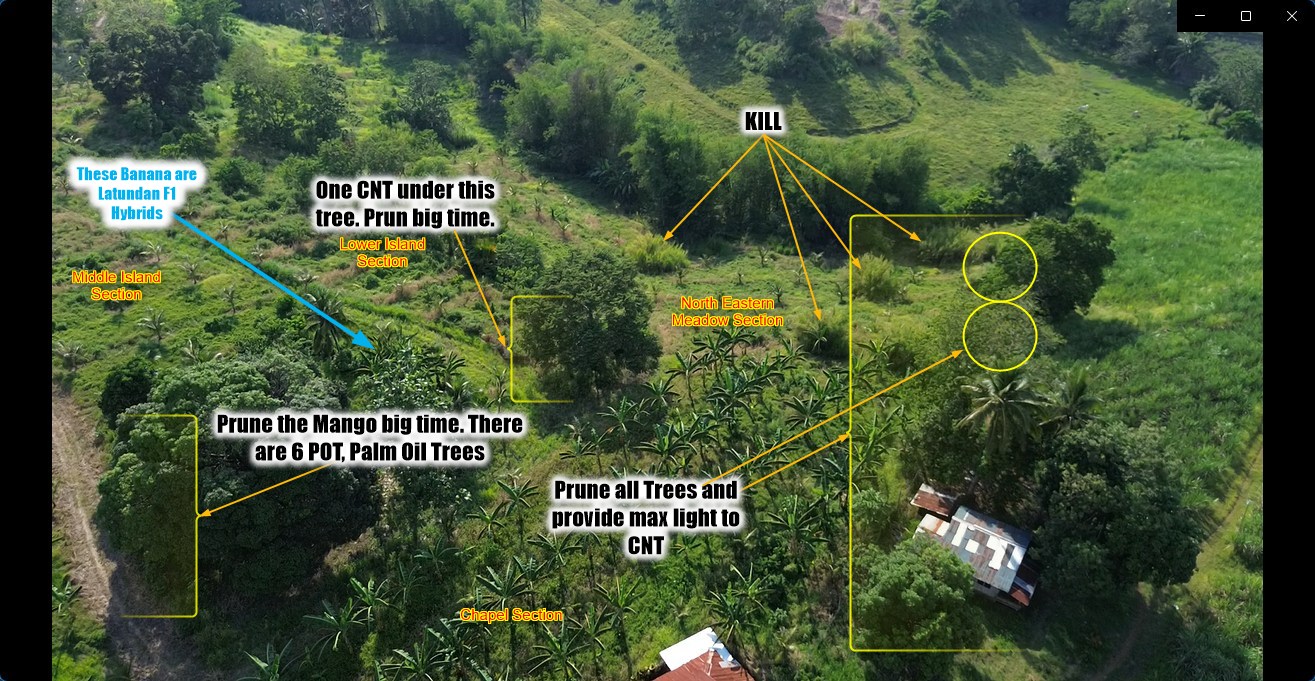
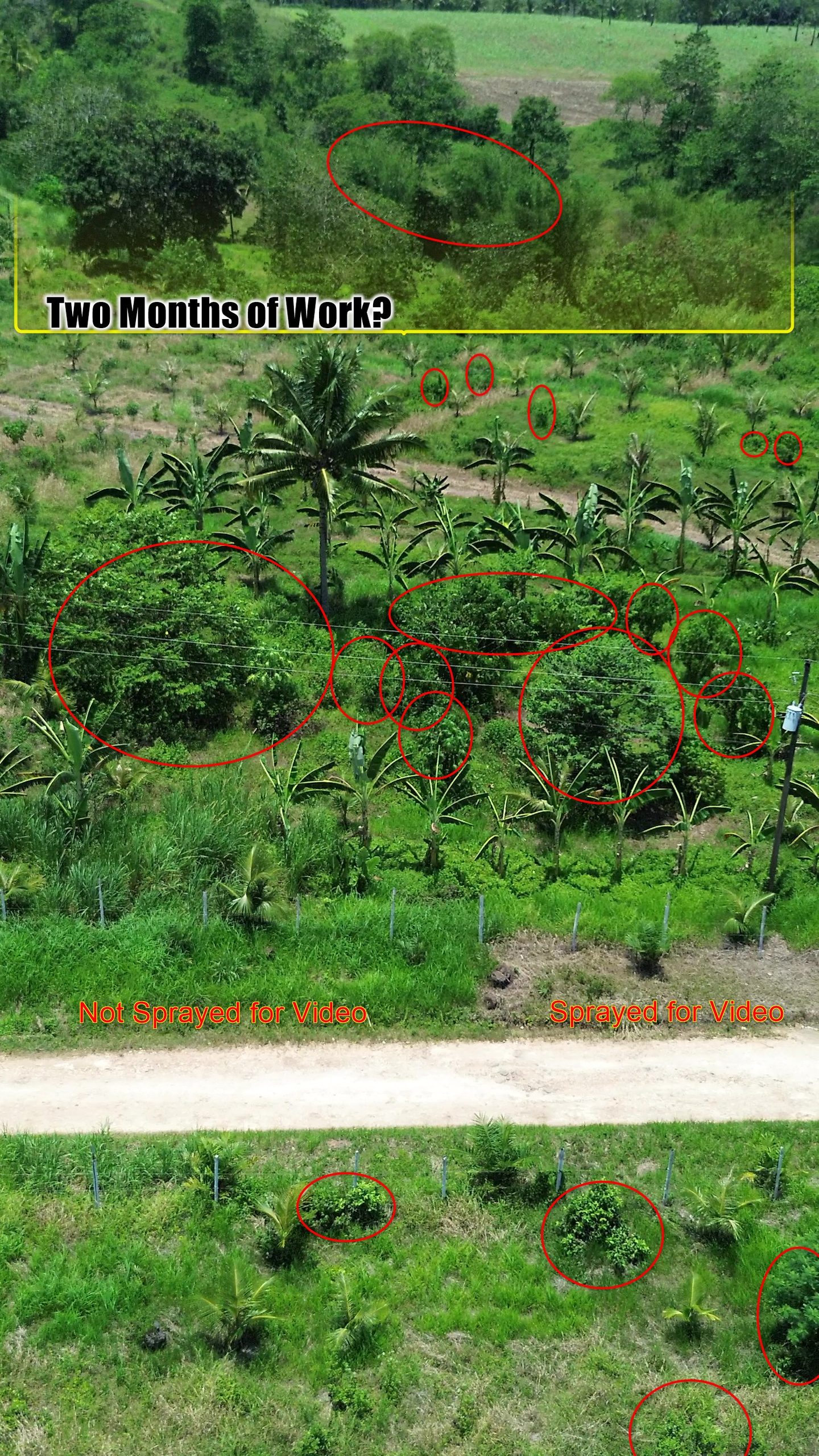
Finally we could do on the farm, what needed to be done a long time ago. We had suspicions, we had hints. But our drone was not operational. Thus, we send over friends to find out in person. And yes, later drone footage has confirmed

  • what work was done – very little
  • what work was not done – most of it.

Then it became clear. Yes, they quit, because they did not want to face the truth and consequences. Trembling in their boots. They run away and they will be remembered for:

  • They got paid well but did not do the job
  • We were told they were drinking instead of working
  • We were told they had drug parties
  • They did not bother to cut the grass, it stood 12 feet tall
  • They did not prune the trees but let them overshadow our coconut trees
  • They let coconuts be overgrown and buried
  • They sprayed only very little for the videos, the drone showed it
  • They also replicated old videos of work for proof of new work done
  • They let the dogs hunger, you could see their rips
  • They did not feed the chicken as instructed, as they ate the young trees
  • They left a mess in the kitchen
  • They did not do the fertilizing as instructed
  • They did not spray Karate as instructed
  • They did not spray herbicides as instructed

Bad, bad, very bad boys.

They claimed to be hungry while living in a banana plantation with chicken. They must have hated the job a lot. Hence, they took life free and easy. Free electricity, a fridge, stove, washing machine, running water, and shower. Had their own kubo.

But that was not enough for the Bukid?

They lived for free but wanted more.
Was it Greed?
They wanted a raise. They did not get the raise so they stopped working.
Time for squatting and drugs?

Life is easy
Money is plenty
Work is little
No Supervision

Enjoying the party life, but it ended quickly.

What happened to all the EXTRA money they saved on fertilizer, dogs, and chicken? What did they buy instead?
We all know it, don’t we?

Leviticus 6; 2 – 7 says:

If you deceived, stole, or lied upon your neighbor or fellow man, then the items you falsely obtained so, here money for work not done but paid for, was obtained by fraud and theft. According to the Christian doctrines, since we are all Christians, there must be full restitution plus 20%.

People become what they want to be. And, lo and behold, they have become what they always wanted to be.

May the Lord serve Justice
We Pray for your Repentance

Deficiencies

Please Share our Content