Very Excited about First Harvest
Work and Progress in Phase 3
At Jessie’s Sunshine Farm we are eager moving forward in care, one step at a time. What may appear to be simple farm work, such as fertilizing trees, counting plants, inspecting crops, treating sick trees, and preparing harvests, is actually part of a larger process that builds a sustainable and productive agricultural enterprise. Phase 3 of the farm’s development shifts from planting and establishment toward production, market integration, and long-term sustainability.
Coconut Trees
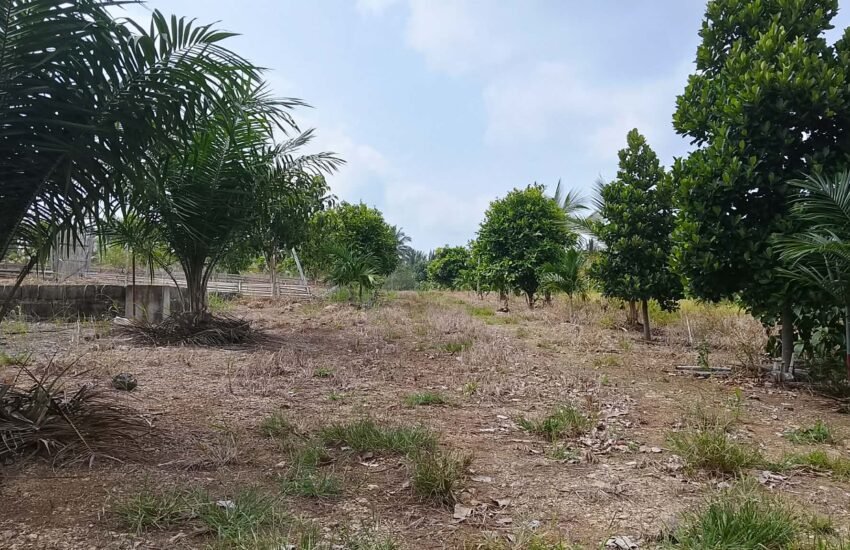
One important activity is fertilizing the coconut trees. Coconuts are still about a year away from meaningful production, so patience is essential. These trees are a major long-term investment and will form the farm’s main canopy and economic foundation.
Today, we feed the trees with balanced nutrients. We are pruning and weeding the plantation to reduce competition. Monitoring the trees’ health and inspect their development for signs of pathogens is important. We also maintain irrigation, soil structure, and drainage to support long-term growth.
These efforts aim to strengthen the canopy and the grove’s economic foundation. When conditions align, the trees will contribute to a reliable harvest. Until then, patience and careful stewardship sustain the project.
Bananas
At the same time, the farm is beginning to experience the rewards of earlier work. Bananas are reaching their first harvest and are now moving into market integration. we sold our first 200 kg. This is an important milestone. Farming is not complete when we harvest. We must count, prepare, and market the produce. We try to connect with reliable buyers. The banana harvest therefore provides practical experience in moving from production into the marketplace. It is an important learning step toward developing a dependable farm-to-market system.
Calamansi
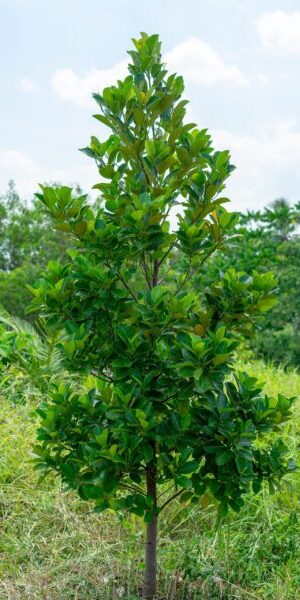
Our next crop for this process is Calamansi. We planted about 50 trees. As with bananas, the goal is not simply to grow the fruit but to understand how production can connect with customers and markets. This follows the Phase 3 vision of creating multiple layers of production and multiple sources of future farm income. We identify Calamansi as an important crop for fresh markets. Despite that Calamansi is usually a fruit for the third canopy, we planted our first 50 trees along our access roads.
Oil Palms
Meanwhile, the palm oil trees are flowering. We planted 156 trees. We planted them in a somehow more dens configuration along boundary lines and roads. If development continues as expected, they may be ready for harvesting in approximately six months. This gives the farm another opportunity to learn the complete production cycle, from flowering and fruit development to harvesting, handling, and eventual market integration.
Inventory Count
Much of the work right now involves inventory and careful inspection. We inspect and count all our trees. What are their condition? When they look sick or not well, we document the case. We use section name, row number, and tree number for identification. We use a red ribbon to identify trees that we must replace, while we use a blue ribbon to identify sick trees that require treatment. These trees are also recorded in the farm’s “Special Treatment List“, allowing them to be followed up rather than forgotten. This system reflects an important lesson in agriculture: good management depends on observation, documentation, and consistent follow-through.
Some sick trees are now being cured and monitored, rather than immediately removed. This teaches the farm team to distinguish between trees that can recover and those that ultimately need replacement. Such decisions require patience, due diligence, and careful observation.
Behind the physical farm work is an increasingly organized management system. Weekly Zoom meetings provide communication and direction, while payroll and planning are handled remotely, procurement is handled locally. This allows the farm’s management to remain connected even when operations are taking place in the field.
Read about Phase 3 of our Development
Tree Inventory assessment
Documenting Health Status
Banana Harvest
Weeding and Cleaning
What is Progress
The progress at Jessie’s Sunshine Farm is therefore not measured only by how many trees are planted or how much fruit is harvested. It is also measured by the knowledge being gained. We pay for education and development. Every inspection, ribbon, inventory count, treatment, harvest, meeting, and market connection is part of a learning process.
The farm is growing through small steps at a time. Some crops are producing now, some are preparing to enter the market, and others, especially the coconuts, require another year of patient care. The palm oil is approaching its first harvest within 6 months, while calamansi is preparing for its turn now.
This is the reality of building a farm for the long term:
- patience before profit,
- diligence before expansion,
- learning before perfection, and
- good workmanship, trust.