Coconuts

Everything Coconuts

Bananas Coconuts Fruit Trees Our Mindanao

Very Excited about First Harvest

Please Share our Content

Work and Progress in Phase 3

At Jessie’s Sunshine Farm we are eager moving forward in care, one step at a time. What may appear to be simple farm work, such as fertilizing trees, counting plants, inspecting crops, treating sick trees, and preparing harvests, is actually part of a larger process that builds a sustainable and productive agricultural enterprise. Phase 3 of the farm’s development shifts from planting and establishment toward production, market integration, and long-term sustainability.

Coconut Trees

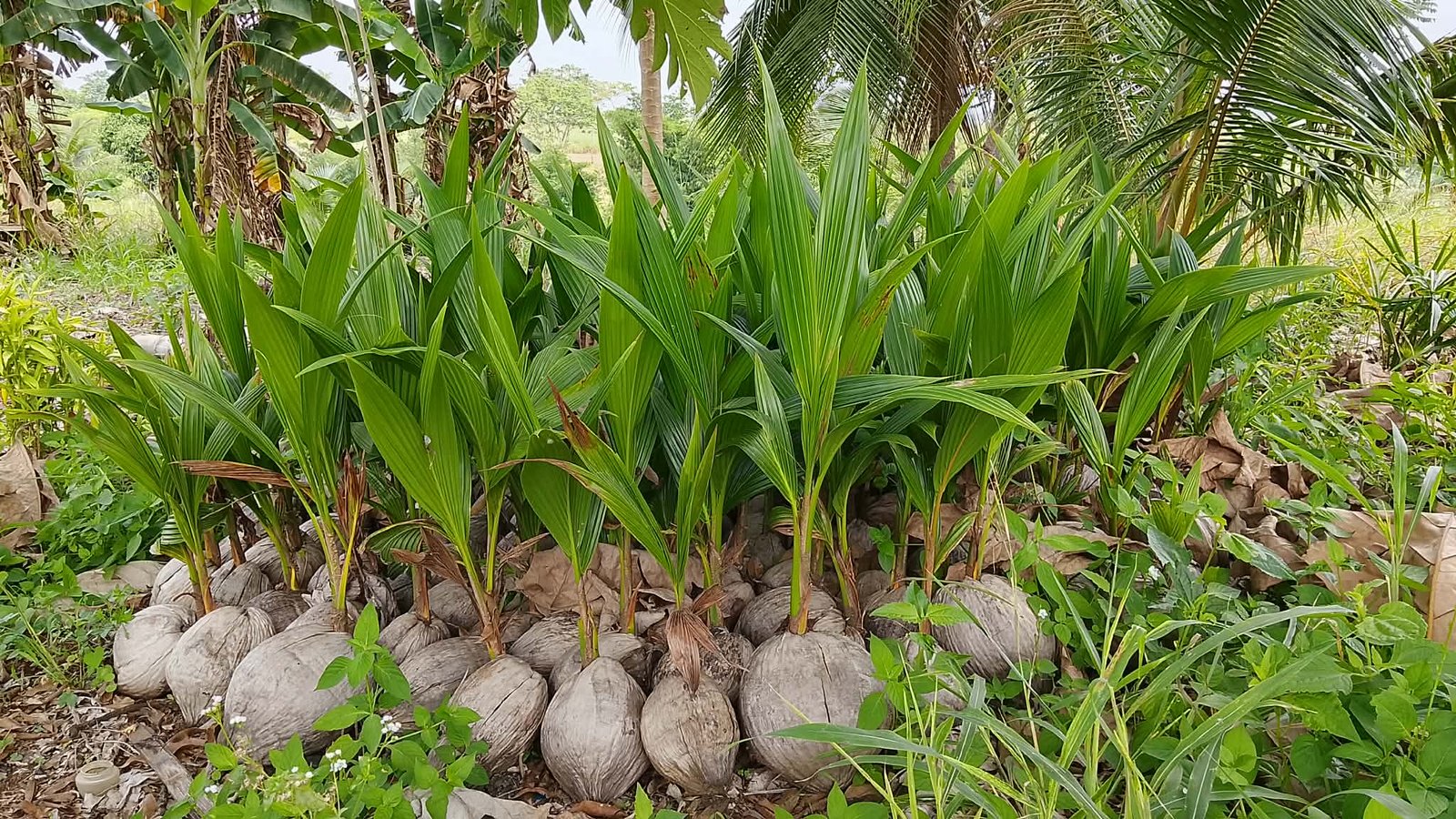
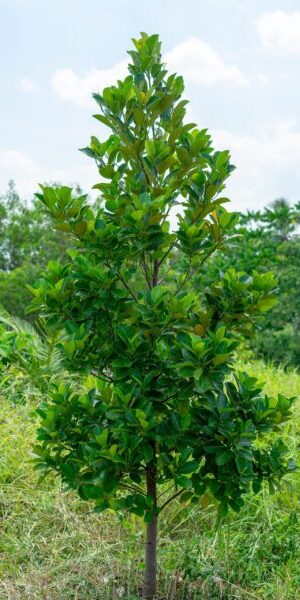
One important activity is fertilizing the coconut trees. Coconuts are still about a year away from meaningful production, so patience is essential. These trees are a major long-term investment and will form the farm’s main canopy and economic foundation.

Today, we feed the trees with balanced nutrients. We are pruning and weeding the plantation to reduce competition. Monitoring the trees’ health and inspect their development for signs of pathogens is important. We also maintain irrigation, soil structure, and drainage to support long-term growth.

These efforts aim to strengthen the canopy and the grove’s economic foundation. When conditions align, the trees will contribute to a reliable harvest. Until then, patience and careful stewardship sustain the project.

Bananas

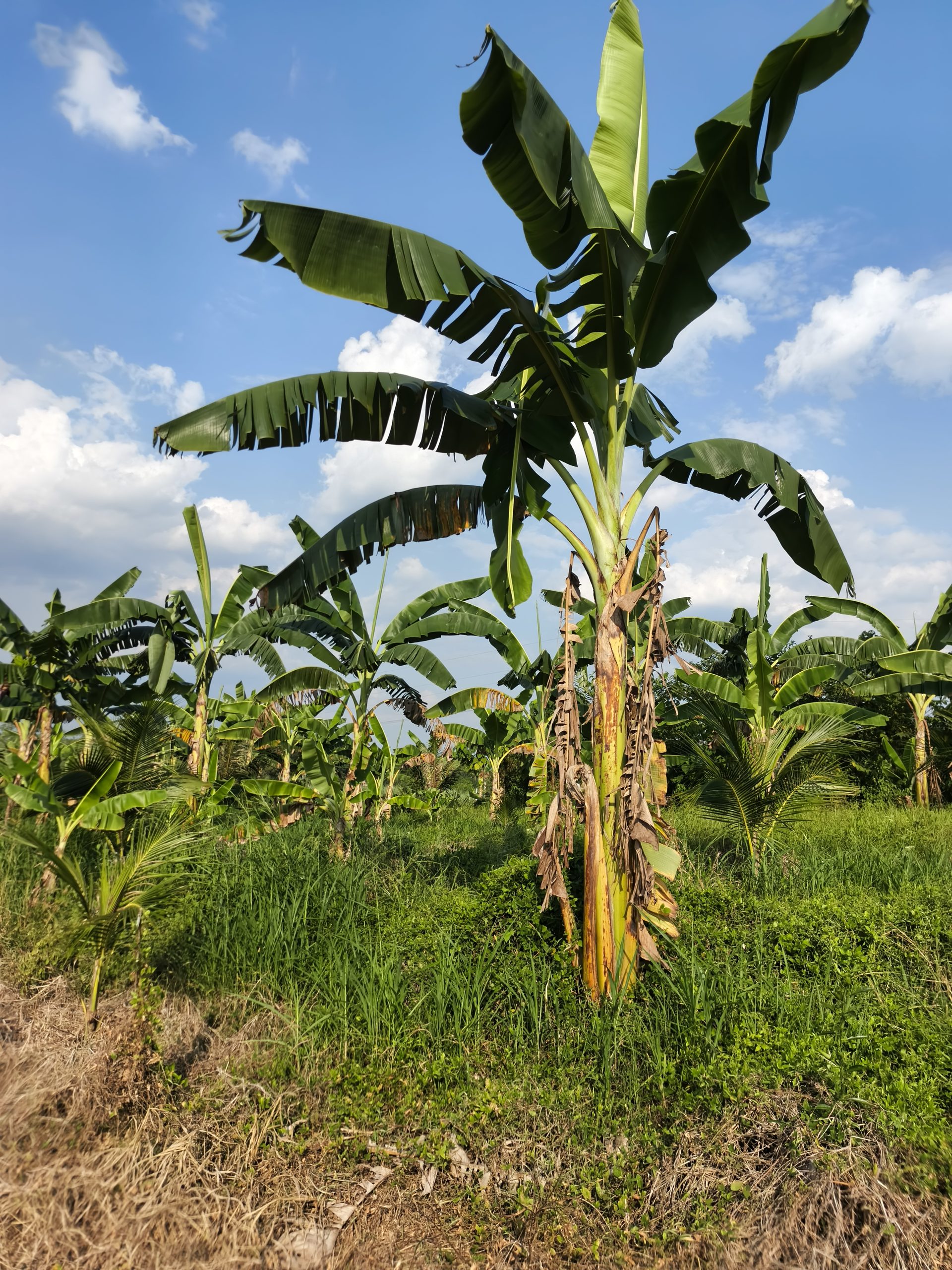
At the same time, the farm is beginning to experience the rewards of earlier work. Bananas are reaching their first harvest and are now moving into market integration. we sold our first 200 kg. This is an important milestone. Farming is not complete when we harvest. We must count, prepare, and market the produce. We try to connect with reliable buyers. The banana harvest therefore provides practical experience in moving from production into the marketplace. It is an important learning step toward developing a dependable farm-to-market system.

Calamansi

Our next crop for this process is Calamansi. We planted about 50 trees. As with bananas, the goal is not simply to grow the fruit but to understand how production can connect with customers and markets. This follows the Phase 3 vision of creating multiple layers of production and multiple sources of future farm income. We identify Calamansi as an important crop for fresh markets. Despite that Calamansi is usually a fruit for the third canopy, we planted our first 50 trees along our access roads.

Oil Palms

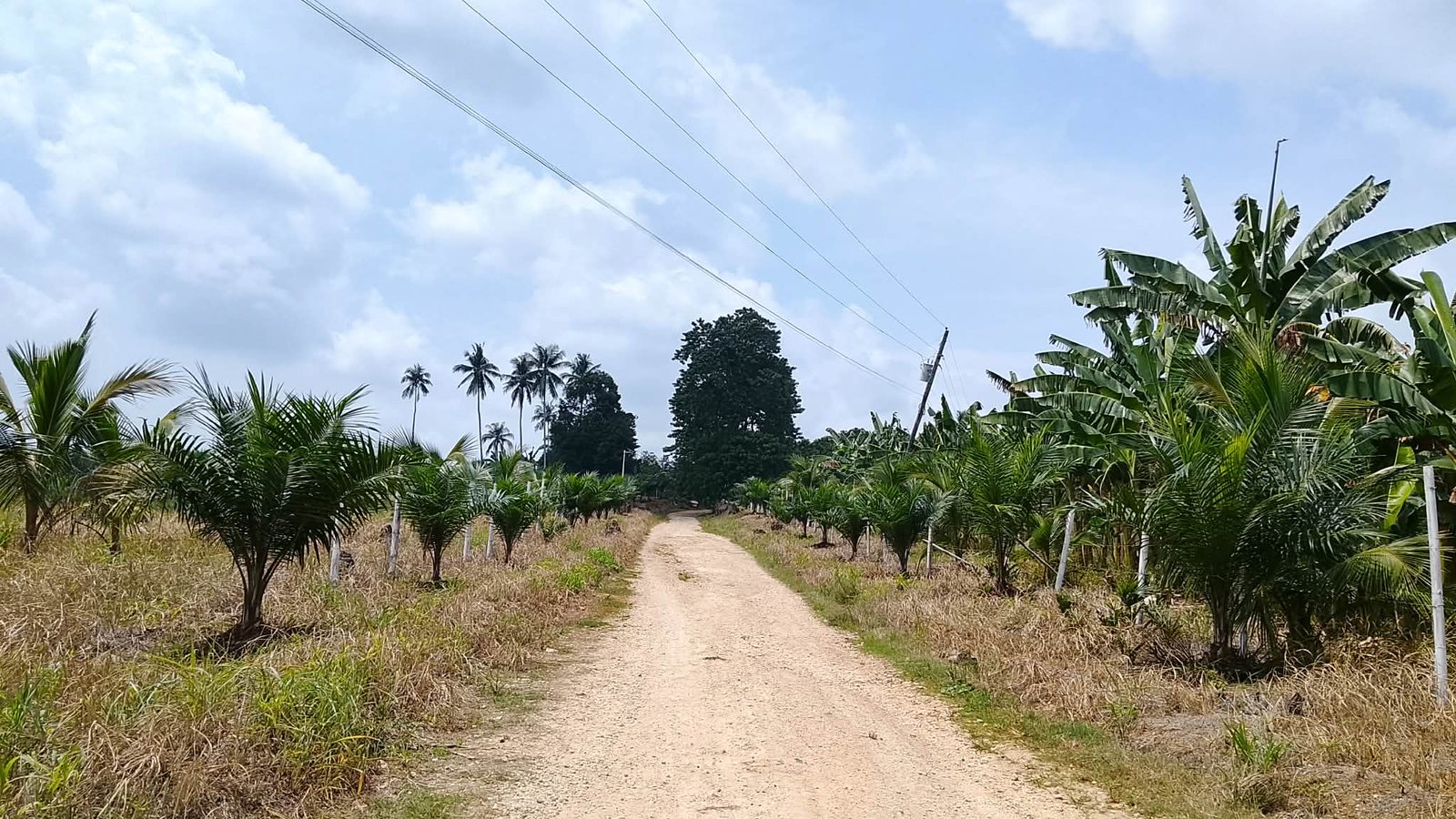
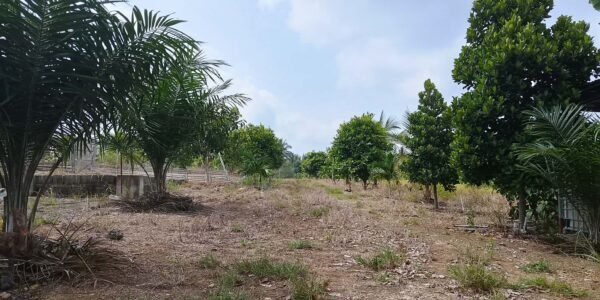
Meanwhile, the palm oil trees are flowering. We planted 156 trees. We planted them in a somehow more dens configuration along boundary lines and roads. If development continues as expected, they may be ready for harvesting in approximately six months. This gives the farm another opportunity to learn the complete production cycle, from flowering and fruit development to harvesting, handling, and eventual market integration.

Inventory Count

Much of the work right now involves inventory and careful inspection. We inspect and count all our trees. What are their condition? When they look sick or not well, we document the case. We use section name, row number, and tree number for identification. We use a red ribbon to identify trees that we must replace, while we use a blue ribbon to identify sick trees that require treatment. These trees are also recorded in the farm’s “Special Treatment List“, allowing them to be followed up rather than forgotten. This system reflects an important lesson in agriculture: good management depends on observation, documentation, and consistent follow-through.

Some sick trees are now being cured and monitored, rather than immediately removed. This teaches the farm team to distinguish between trees that can recover and those that ultimately need replacement. Such decisions require patience, due diligence, and careful observation.

Behind the physical farm work is an increasingly organized management system. Weekly Zoom meetings provide communication and direction, while payroll and planning are handled remotely, procurement is handled locally. This allows the farm’s management to remain connected even when operations are taking place in the field.

Read about Phase 3 of our Development

Tree Inventory assessment

Documenting Health Status

Banana Harvest

Weeding and Cleaning

What is Progress

The progress at Jessie’s Sunshine Farm is therefore not measured only by how many trees are planted or how much fruit is harvested. It is also measured by the knowledge being gained. We pay for education and development. Every inspection, ribbon, inventory count, treatment, harvest, meeting, and market connection is part of a learning process.

The farm is growing through small steps at a time. Some crops are producing now, some are preparing to enter the market, and others, especially the coconuts, require another year of patient care. The palm oil is approaching its first harvest within 6 months, while calamansi is preparing for its turn now.

This is the reality of building a farm for the long term:

  • patience before profit,
  • diligence before expansion,
  • learning before perfection, and
  • good workmanship, trust.

Jessie’s Sunshine Farm continues to develop not by rushing the process, but by carefully doing the work required today to create a stronger and more sustainable farm tomorrow.

Please Share our Content
Coconuts Fruit Trees Our Mindanao

Our Coconuts needed a Swift and Successful Rescue

Please Share our Content

At Jessie’s Sunshine Farm, every new day begins with a quiet promise: that the land, when cared for with diligence and respect, will return life and harvest in abundance. Yet there are seasons when the work feels heavier than usual, when the grass grows thick and stubborn, when non-value trees stretch wild without guidance, Hagonoys try to overtake the Coconuts, when crawlers and stranglers hold your feet in place and make you fall.

“There are people who will starve because they have no food
but then there are also people who cry about scarcity of food
because they don’t use their hands while sitting in a banana plantation.

The first is in need and shall be helped,
the latter is lazy and shall be expelled”
Boss Kano, March 2026

And when the efforts of those before fell short on every aspect of what the land truly needed then it is time to put the hammer down. In these moments, the call to stewardship becomes even more meaningful.

Weeding of Grass

Weeding grass is more than a routine task; it is an act of reclaiming space for growth. Each unwanted blade removed is a step toward restoring balance, allowing wanted crops and value trees to breathe, to draw nourishment, and to thrive without competition. It requires patience and persistence, but it also teaches us that small, consistent efforts can transform even the most neglected ground.

Pruning of Trees

Pruning trees carries a similar lesson. At first glance, cutting away branches may seem harsh, but it is a careful and necessary act of renewal. By removing what is overgrown or unproductive, we make room for stronger, healthier growth. The tree, once burdened, begins to channel its energy into bearing better fruit. In this way, pruning reminds us that progress often requires letting go of what no longer serves the purpose of Jessie’s Sunshine Farm.

Spraying Herbicides

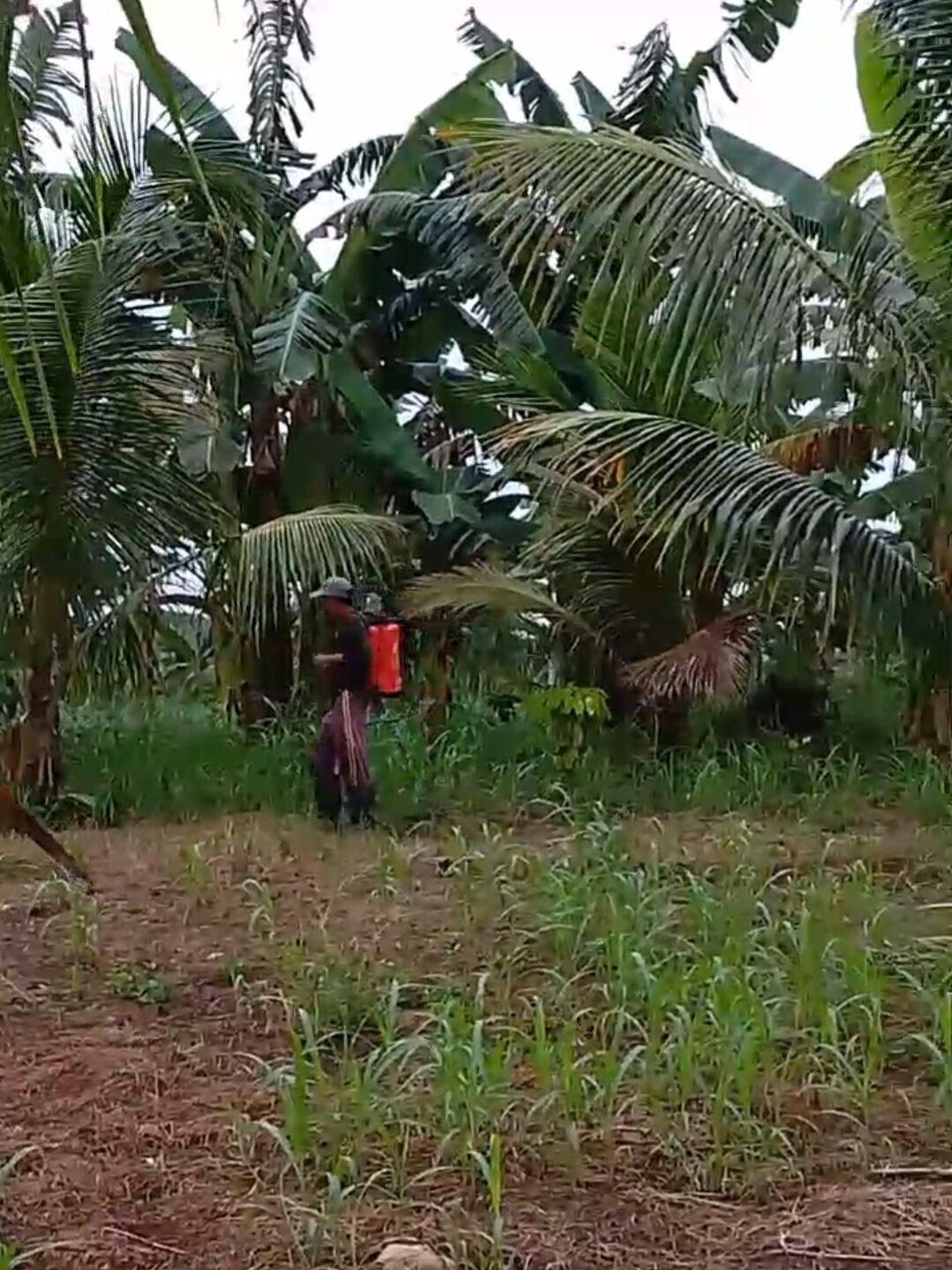
Spraying herbicides, when done responsibly and thoughtfully, is another tool in restoring order. It is not about taking shortcuts, but about supporting the land where manual efforts alone are not enough. Used with care, it protects the farm from being overtaken, ensuring that the work invested in planting and nurturing is not undone.

The Privious Crew

Though the previous crew may not have fulfilled their duties and responsibilities, the present team holds the cards to reshape the farm’s future. Knowledge, skills, and trust must work together. When one of the pillars fails then the value disappears in full. If the word of a man has no value then the man cannot be trusted. The condition of the farm have much improved since January 2026. With discipline, unity, and a renewed sense of purpose, Jessie’s Sunshine Farm can once again reflect the beauty and productivity it was meant to embody.

pruning trees

Every weed pulled, every branch pruned, and every careful action taken is a declaration: that this land matters, and that its care is in capable hands. We are the Stewards of the Land only. The Lord has given it to us to protect it. And so we will do.

Please Share our Content
Bananas Coconuts Fruit Trees Our Mindanao

Our Farm: New Coconut Farm Footage

Please Share our Content

2026 Aerial Odyssey: Soaring Over Jessie’s Sunshine Farm and the New Frontier of Agriculture

In the Age of Drone Technology

Only a few things like an aerial view captures the quiet revolution in Agro-Forestry. Jessie’s Sunshine Farm’s newly uploaded video, Our Farm: New Coconut Farm Footage, of April 2026 delivers exactly that. A breathtaking, wordless flight over what is a meticulously planned agricultural enterprise. Clocking in as fresh footage, uploaded just hours ago, the video invites viewers to rise above the soil and witness a living blueprint for sustainable farming in the mid-2020s. No narration, simple text overlays. Just pure visual storytelling that speaks volumes about innovation, resilience, and harmony as the stewards of the land.

Arial View of Farm Progress

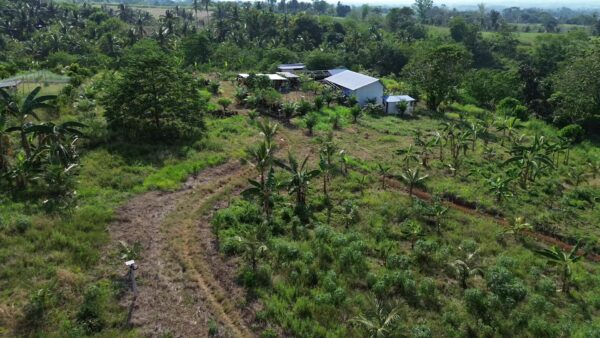
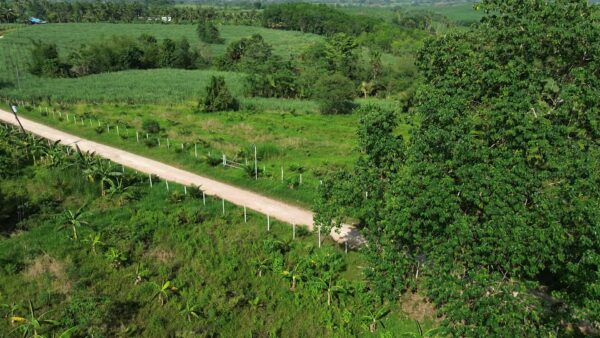
The camera glides effortlessly at altitude, revealing a patchwork quilt of coconut rows combining banana plants stretching toward the horizon. The geometric precision is striking: long, contoured rows of coconuts curve gently to follow the natural topography, a clear nod to contour farming techniques designed to combat erosion and maximize water retention. Such layouts aren’t accidental. They reflect planning. The video’s sweeping pans highlight clusters of on going work, future work, and growing trees. You can feel the optimism radiating from this land, subsequently it has become a symbol of a farmstead evolving rather than merely surviving.

The Aerial Perspective Shifts

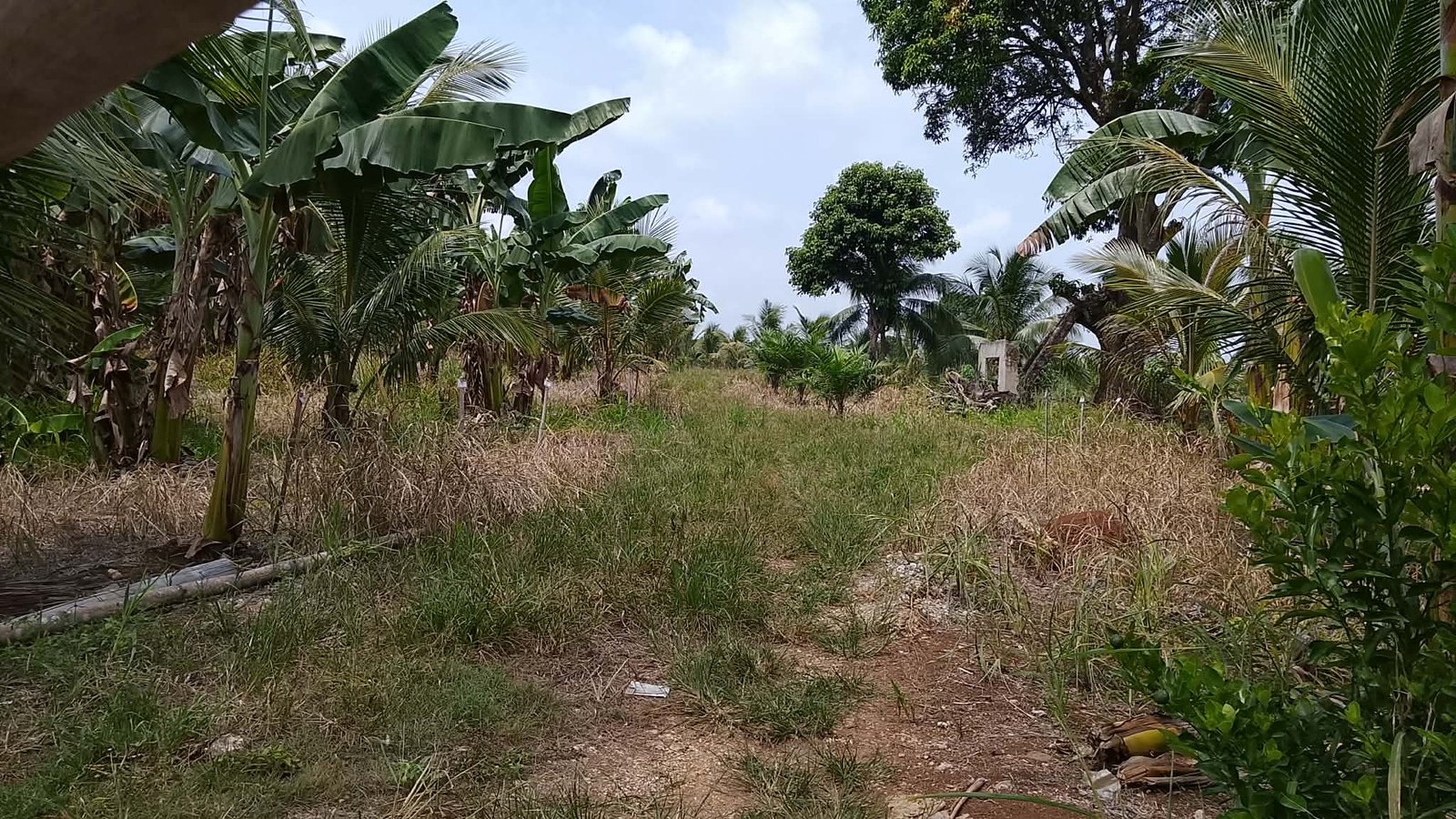
The project’s scale comes into focus. The Central Area, CAR, anchors the layout, surrounded by radiating spokes of infrastructure: walkways, natural roadways, rainwater collection facilities, flowers, and fenced pastures dotted with livestock. The integration is seamless. No sprawling monocultures here; Conversely, the footage showcases multi cropping zones. Coconuts determine the first canopy, soon value fruit trees determine the second canopy, and furthermore two rows in between as a third canopy. These Inter-rows currently feature banana plants, as a biodiversity corridors.

Our first ever bananas, Latundan Hybrids

Hard Toil is Sacred

The video’s fluid motion emphasizes movement too: tiny specks that could be machinery or workers tending duties underscore the blend of human labor and machinery. In an era when labor shortages challenge rural communities, especially in our Barangay of San Francisco, tools extend human capability and productivity without replacing the soul of farming. Jessie’s Sunshine Farm embodies the balances between productivity and stewardship for the land. Hence, we are turning what once had been brush and bush into a thriving ecosystem.

Furthermore, anyone who is invested in multi cropping agriculture, whether as a small farmer, policymakers, or fellow Agro-Forestry farmer, should take note of this footage, which is inspiring proof that scalable, ethical agriculture is not a dream but a present reality. It prompts reflection: How many such projects exist quietly across Bukidnon, stitching together solutions to hunger, climate volatility, and economic viability?

Final Thoughts

As the camera dips and circles in the final sequences, the farm reveals that it’s a vision made tangible. In just a few minutes of silent flight, this 2026 Aerial View of our Farm Project distills the essence of modern Christian stewardship: humans as overseers of the land under God’s guidance, combining old and new technology to make good what was meant to be good. Jessie’s Sunshine Farm is cultivating hope. For aspiring agrarians or curious onlookers, this video is an invitation to dream bigger about our future that you can create with the help of the Lord.

Watch it, share it, and imagine your own patch of sky-high potential.

Please Share our Content
Bananas Coconuts Our Mindanao

Life and How to Integrate Sacred Toil

Please Share our Content

Biblical Wisdom for Life and Toil

In the steady life-rhythm of Jessie’s Sunshine Farm, where coconut palms stretch toward heaven and the soil calls for constant care, Scripture reveals labor as holy stewardship. Genesis 2:15 places humanity in the garden “to work it and take care of it,” a mandate alive in every swing of the machete. Cutting grass beneath the tall trunks, pulling weeds from around young saplings, and clearing invasive banana plants restore order and fruitfulness. These acts echo Psalm 104:14—“He makes grass grow for the livestock, and plants for people to cultivate”—turning sweat into abundance. “Those who work their land will have abundant food,” promises Proverbs 12:11, a truth harvested when clippings become mulch and cleared rows allow sunlight to reach the coconuts.

Farming Demands Wisdom in Life

Yet the farm demands wisdom as well as strength. Snakes hidden in the undergrowth teach vigilance. Jesus urged His followers to be “as shrewd as snakes and as innocent as doves” (Matthew 10:16). We move with eyes open and boots high, respecting creation’s dangers without yielding to fear. This same prudence guides spraying roadways and maintaining safe paths, ensuring workers and trucks travel without harm.

Help Your Neighbor

Farm life also displays the beauty of community. Employing local families and welcoming friends who arrive with bolos and willing hearts fulfills Galatians 6:2: “Carry each other’s burdens, and in this way you will fulfill the law of Christ.” Shared labor—raking clippings or chopping banana stalks—builds bonds stronger than any single harvest. Colossians 3:23-24 calls us higher: “Whatever you do, work at it with all your heart, as working for the Lord.” Payday meals and porch-side laughter become visible signs of God’s provision.

People to Avoid for Companionship

Jesus, however, taught discernment in our associations. While He ate with tax collectors and sinners to call them to repentance, He warned against close companionship with those whose ways corrupt. Scripture highlights five destructive characters we must guard against: the gossip who spreads whispers that divide, the slanderer who damages reputations with false words, the false witness who twists truth for gain, the boaster puffed up with pride, and the one given to lies and evil deeds driven by an evil spirit.

Proverbs and the New Testament

Proverbs and the New Testament repeatedly condemn these traits. Gossip and slander ignite strife like a scorching fire (Proverbs 16:27-28). False witness violates the ninth commandment and undermines justice. Boasting flows from pride, which “goes before destruction” (Proverbs 16:18). Lies and evil deeds flow from a heart distant from God, often influenced by the “evil spirit” of deception and darkness (see also Ephesians 4:25-31, which urges putting away falsehood, anger, and slander). Paul warns plainly: “Do not be misled: ‘Bad company corrupts good character’” (1 Corinthians 15:33). On the farm, we choose companions who build up rather than tear down. We welcome honest workers and true friends who labor with integrity, but we keep distance from those who sow discord through gossip, lies, or boastful schemes. Such influences can poison the cooperative spirit needed for thriving fields and harmonious teams.

We are Stewards of the Land

In the end, the farm echoes Galatians 6:9: “Let us not become weary in doing good, for at the proper time we will reap a harvest if we do not give up.” Grass regrows (Daily work), snakes will test (Evildoers and enemies), and weeds will creep (Slander and gossip), and challenges (New problems) will test us, yet faithful hands joined with godly company produce fruit that lasts. At Jessie’s Sunshine Farm, Scripture does not merely inspire the daily toil—it sanctifies it. Every cleared row, every helping hand offered in truth, and every boundary drawn against corrupting characters declares that work offered to God, surrounded by the right company, and becomes an eternal harvest of blessing.

Please Share our Content
Bananas Coconuts Our Mindanao

Look at the Hidden Gems of our Farm

Please Share our Content

A Day in the Life at Jessie’s Sunshine Farm: Grass, Snakes, and the Joy of Hard Work, are our hidden gems

At Jessie’s Sunshine Farm, the coconuts don’t grow themselves. Every morning the sun rises over our 8-hectare coconut plantation like a golden promise, and every morning we answer it with sweat and steel. The farm will feed several families, creates jobs, and reminds us that real friendship shows up with a machete in hand.

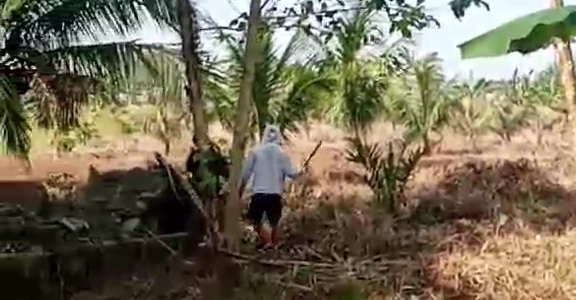
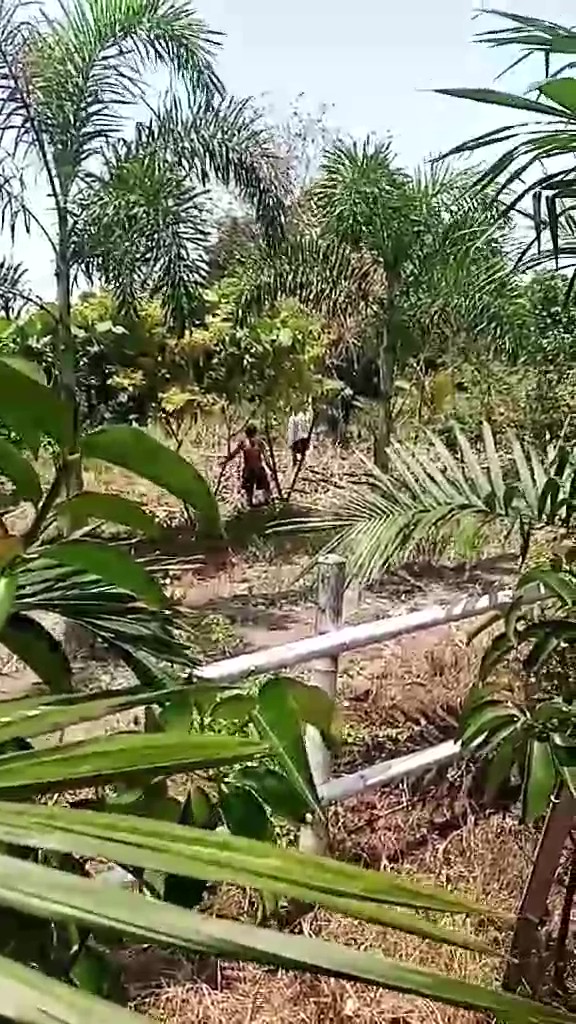
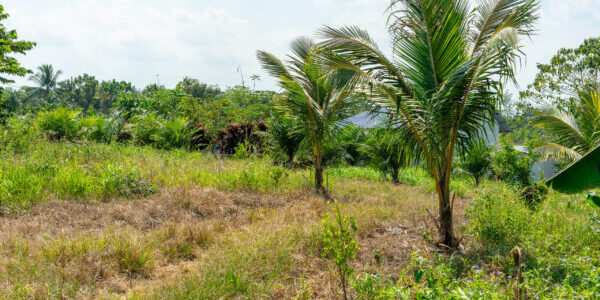
A continuous task is always cutting grass. Under the still small coconut palms the undergrowth grows thick and fast after every rain. We fire up the brush cutters at dawn while the air is still cool. The blades whine through knee-high guinea grass and stubborn cogon that would otherwise steal water and nutrients from our trees. This hard work will diminish over time when the trees grow taller. It’s dusty work, but the result is pure satisfaction: clean rows of coconut trunks standing proud, their fronds rustling like applause. We cut in teams of four—two on the machines, two raking the clippings into piles that later become mulch. By 10 a.m. the entire main block looks like a well-groomed park, ready for the next harvest.

Weeding comes right after. Around each young coconut we drop to our knees with hand trowels, pulling out the bindweed and broadleaf that love to choke the saplings. It’s quiet, meditative labor. Our team moves from tree to tree, talking on the way while patting the soil. The older palms get a wider circle cleared. Every cleared circle is another small victory against the jungle trying to reclaim its territory.

Of course, we never forget the snakes. This is tropical farmland; cobras and red tail snakes are part of the landscape. We wear tall rubber boots, keep our eyes on the ground, and teach every new worker the same rule: “If you see movement, freeze and call out.” Last month one of our helpers spotted a cobra curled beside a banana clump. We backed away slowly, gave it space, and let it glide into the drainage ditch. No drama, just respect. The farm has taught us that danger and beauty live side by side; you can’t have one without watching for the other.

Clearing banana plants is the next big job. We have 5 different bananas kinds planted in two rows between the coconuts, their broad leaves shading the young palms and competing for sunlight. We chop them at the base with long bolos, leaving the trunks to rot back into the soil as natural fertilizer. The fruit we save for the workers’ lunch boxes or share with neighbors. It feels good to turn something that could be a nuisance into food and compost.

All this work does more than keep the farm tidy. It creates jobs. We will employ about 10 local families full-time and another team of contractors during peak season. Teenagers learn to drive the brush cutters, mothers earn money pulling weeds, and grandfathers teach the younger ones how to read snake tracks. Payday is always a celebration—rice, fish, and laughter under the mango tree by the cliff. The money stays in the community, buying school uniforms and motorcycle repairs.

And then there are the friends. Last weekend some of our farm buddies came to help. They arrived with cold drinks and big smiles, traded their own farm life for ours, and spent the day clearing banana clumps and raking grass. By sunset sitting on the porch, sore and sunburned. “This is why we do it.” The farm doesn’t just grow coconuts—it grows relationships.

At Jessie’s Sunshine Farm we’re not chasing perfection. We’re chasing balance: healthy trees, safe workers, thriving neighbors. Cutting grass, pulling weeds, dodging snakes, clearing bananas, spraying roads—it all adds up to something bigger than any single chore. It adds up to a life we chose, jobs we created, and friends who show up when the work is hard, in honor for the Lord Jesus Christ.

If you ever find yourself near our gate, come in. Bring a hat, wear boots, and be ready to sweat. The coconuts are waiting, and so are we.

Please Share our Content