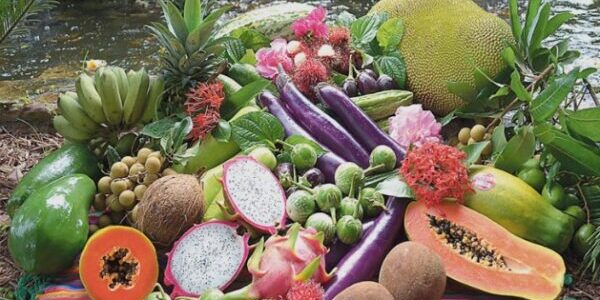
Value Fruit Trees and our Market Research
Choose one of our Fruit Trees and
Read the Associated Research of it Further Below.
- Coconuts
- Durian
- Lanzones
- Pomelo
- Rambutan
- Bangkok Santol
- American Lime
- American Lemon
- Tabon-tabon
- Mangga Cebu
- Purple Mango
- Indian Mango
- Mangosteen
- Sweet Guyabano
- Guavapple
- Atis Fruit, Cherimoya
- Chico, Sapodilla
- Oranges
- Calamansi
- Banana
- Cacao
- Coffee
- Papaya
- Star Apple, Kaimito
- Avocado
- Jackfruit, Langka
- Dragon Fruits
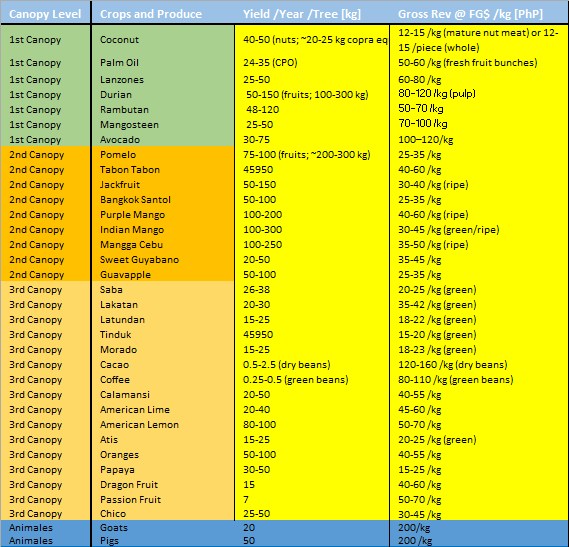
Canopy Level of Tree Crops
Coconuts our Main Crop
At Jessie’s Sunshine Farm, our diverse collection of fruit trees forms the foundation of a thriving agro-ecological system designed for productivity, balance, and sustainability. Each tree species was carefully chosen to complement the tropical environment of Mindanao, ensuring year-round harvests and ecological harmony under the protective canopy of our coconuts. Together, these trees not only sustain the land but also provide nutritious produce for local markets, visitors, and our future farm-to-table e-commerce platform. At Jessie’s Sunshine Farm we adhere to proven guidelines and concepts.
“This Promotion Manual for Extension Workers was formulated based on
the ‘Coconut Intercropping Manual for Farmers’ which serves as a guide
to revive the typhoon‐stricken coconut farms by practicing intercropping
suitable for a natural and social environment.”“This manual was developed based on the experience of the trial project
and by referring to the local environmental condition and useful
modernized farming techniques and recommendations through various
documents from the Department of Agriculture of Region 8 and The
Philippine Coconut Authority (PCA)”
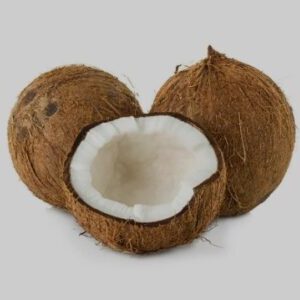
Coconuts
The coconut serves as the backbone of Jessie’s Sunshine Farm, forming the primary canopy that shapes the farm’s structure and microclimate. Its towering palms provide shade, wind protection, and organic mulch from fallen fronds. Beyond its ecological role, coconuts yield essential products, like water, oil, sugar, and coir. This is central to both local livelihood and regional trade. Hence this enduring crop stands as a symbol of tropical resilience and abundance.


The following sections introduce the fruit trees that define our farm’s layered system of agroforestry. This is our own research and compilation. You are free to use it. Please provide a link to our website in your publication.
Our Fruit Trees
Durian
Durian, often called the “King of Fruits,” is cultivated in carefully chosen sections with rich soil and consistent rainfall. Its towering growth and distinctive fragrance make it both a specialty and a symbol of tropical luxury. The farm’s durian trees contribute to regional identity, reflecting Mindanao’s reputation for world-class varieties. Through proper pruning and spacing, Jessie’s Sunshine Farm ensures a balance between premium yield and ecological stability.


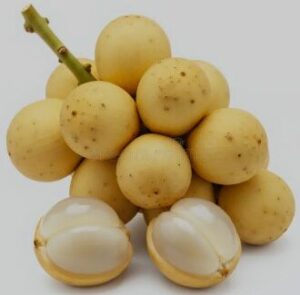
Lanzones
Lanzones trees thrive in shaded, moist areas of the farm, producing clusters of sweet, translucent fruit. Their deep roots aid in soil aeration and nutrient cycling, supporting the health of surrounding plants. The fruit’s delicate flavor makes it a seasonal favorite among locals and tourists alike. By growing lanzones, Jessie’s Sunshine Farm preserves a cherished Filipino delicacy while maintaining a biodiverse orchard ecosystem.
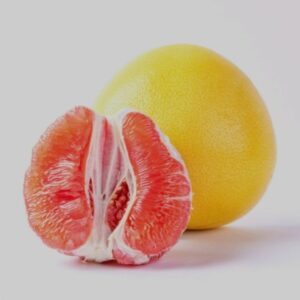
Pomelo
Pomelo trees enrich the citrus diversity of the farm, bearing large, fragrant fruits with a refreshing balance of sweetness and tang. They grow well in open sunlight yet tolerate mild shade under the coconut canopy. Each harvest provides ample juice and fresh fruit ideal for both home use and market sale. Pomelo represents abundance, health, and the vibrancy of tropical living.
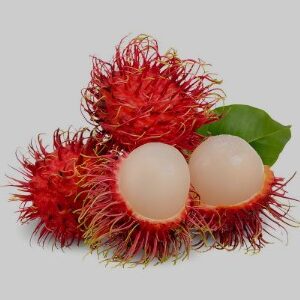
Rambutan
Rambutan trees, with their bright red, hairy fruits, bring color and excitement to the farm’s landscape. They flourish in humid conditions, thriving beside other tropical species like durian and Lanzones. The fruits’ sweet, juicy taste makes them highly sought-after during harvest season. Rambutan embodies the festive spirit of tropical farming and serves as a major draw for agritourism visitors.
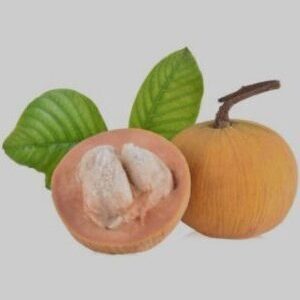
Bangkok Santol
Santol trees are known for their tart-sweet fruits, often used for jams, preserves, and local delicacies. Their broad canopies contribute to the cooling microclimate beneath the coconut layer. The trees’ deep roots stabilize the soil, making them ideal for boundary planting and erosion control. Santol reflects the farm’s vision of integrating local fruit heritage with sustainable land management.
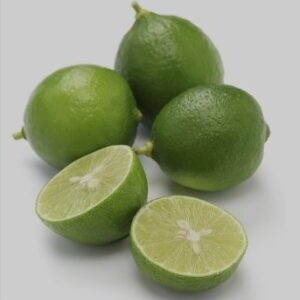
American Lime
American lime (commonly represented by key or West Indian lime varieties) is a small, vigorous citrus tree that fits well into mixed orchard edges and service rows. Its bright, acidic fruits are prized for fresh juice, marinades, and preserving local recipes, adding year-round culinary value. The tree’s compact habit allows interplanting with mid-canopy species without heavy shading. Planted strategically, American lime contributes to microclimate control and continuous harvest diversity
American Lemon
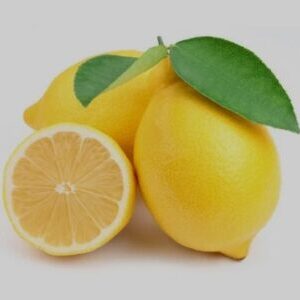
American lemon varieties (including common garden and ornamental lemon types) yield tart, versatile fruits that support jams, beverages, and value-added products. Lemon trees prefer well-drained sites and do well in sunny clearings between taller canopy trees. Their fragrant blossoms attract pollinators and enhance the farm’s sensory appeal during flowering season. Lemons add dependable marketable produce and a citrus backbone for processed goods.

Tabon-tabon
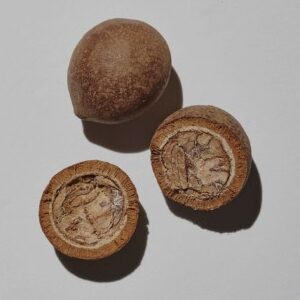
Tabon-tabon (Atuna) is a native coastal/lowland tree traditionally used in Mindanao cuisine—particularly for preparing kinilaw—bringing both cultural and ecological value to the farm. Its fruits and aromatic properties make it a useful specialty crop that ties Jessie’s Sunshine Farm to local culinary heritage. Tabon-tabon grows well in wet tropical settings and supports biodiversity with its flowers and fruiting cycle. Cultivating it helps preserve a native species while providing an authentic agritourism talking point.
Mangga Cebu
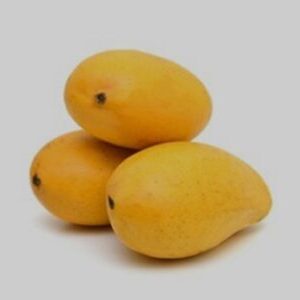
Mangga Cebu (Carabao-type mango) — represented locally by prized Philippine cultivars such as Carabao/Cebu types — is valued for its intensely sweet flesh and exceptional eating quality. These mangoes command strong local and export markets and are ideal for fresh-sale, dried mango products, and premium preserves. Trees prefer well-drained, sunlit pockets and reward careful pruning and thinning with superior fruit size and flavor. Growing Cebu-type mangoes bolsters the farm’s branding with a recognized regional specialty
Purple Mango
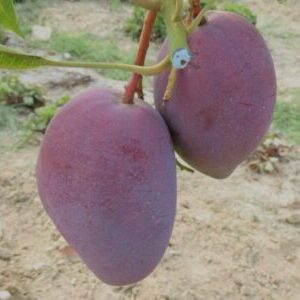
Purple mango(purple/novelty mango varieties) varieties bring visual novelty and unique flavor profiles to the orchard, offering both table fruit and a distinct selling point for agritourism. Their striking skin coloration makes them attractive in markets and on-pack, while many purple cultivars still deliver the familiar sweet, tropical mango aroma. These trees are managed similarly to other mango types—favoring sun, well-drained soil, and seasonal fruit thinning. Including purple mangoes diversifies Jessie’s Sunshine Farm’s product mix and helps the farm stand out.

Indian Mango
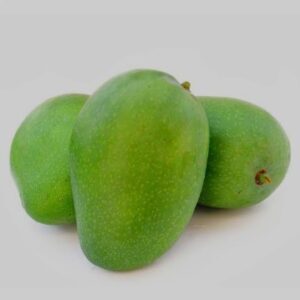
Indian mango (South Asian mango varieties) varieties (numerous cultivar groups from the Indian subcontinent) add genetic and flavor diversity to the farm’s mango collection, often contributing distinctive aromatics and fiber characteristics. These cultivars can provide contrasting harvest windows and taste profiles compared with Philippine types, useful for blended products and comparative farm tastings. Proper varietal selection and site placement ensure compatibility with the layered canopy and optimize cross-pollination where beneficial. Offering Indian mangoes widens market appeal and deepens the farm’s mango story for visitors and buyers.
Mangosteen
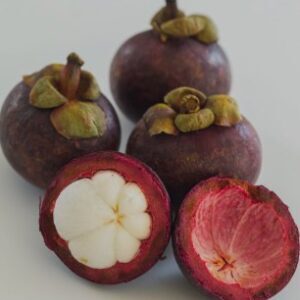
Mangosteen, often celebrated as the “Queen of Fruits,” produces thick-rinded, purple fruits with sweet-tart white segments prized across Southeast Asia. It prefers consistently warm, humid, and sheltered sites—making it well suited to protected mid-canopy microclimates on the farm. Though relatively slow to establish, mature trees reward patience with premium, high-value fruit that enhances the farm’s specialty fruit portfolio. Including mangosteen supports luxury product lines and elevates the farm’s reputation for rare tropical offerings
Sweet Guyabano
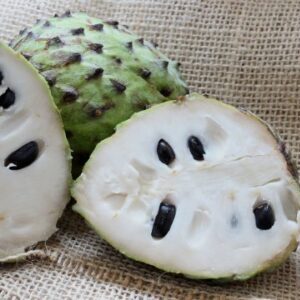
Sweet guyabano (sweet soursop selections) selections are cultivated for improved flavor and lower acidity compared with typical soursop, making them excellent for fresh eating, juices, and wellness products. As a medium-sized Annona species, it grows well in humid, partially shaded areas and contributes soft fruit production between larger canopy trees. The fruit’s creamy texture and nutrient profile lend themselves to fresh beverage offerings and value-added goods. Sweet guyabano strengthens the farm’s health-forward product line while fitting smoothly into the layered canopy design.

Guavapple
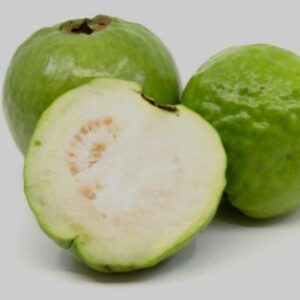
Guavapple (guava/‘guapple’ hybrids or apple-type guava) (local name for apple-shaped or improved guava hybrids) combines the hardiness of guava with apple-like shape or texture, producing crunchy, aromatic fruits that are ideal fresh or for preserves. These varieties are fast-growing, tolerant of varied soils, and fruit frequently—making them excellent for continuous supply. Small tree size allows them to occupy the fourth layer or hedgerow positions without competing with taller crops. Guavapples offer quick returns and a charming, marketable novelty for visitors and local shoppers.

Atis Fruit, Cherimoya
Atis trees are small yet prolific, bearing soft, creamy fruits with a unique, fragrant sweetness. They fit perfectly into the lower canopy layer, where they enjoy filtered light and rich organic soil. The fruits are rich in vitamins and serve as a nutritious treat for guests and local markets. Atis adds diversity to the farm’s production while requiring minimal maintenance.

Chico, Sapodilla
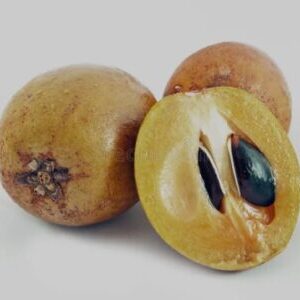
Chico trees produce brown, sand-textured fruits filled with caramel-like sweetness, favored by children and elders alike. Their evergreen foliage provides year-round greenery and habitat for birds and pollinators. Chico trees are highly resilient, adapting to dry conditions and providing steady yields over many years. They symbolize endurance and the quiet reliability of native tropical crops.
Oranges
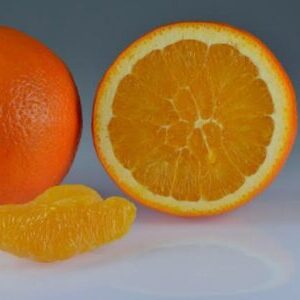
Mindanao’s oranges are known for being sweet and fragrant, with a leathery, bright yellow rind when ripe. The fruit has a tough, oily peel and a segmented, juicy pulp inside. While there are many varieties, a common type in the Philippines is the sweet, round orange that grows well in tropical climates.
Calamansi
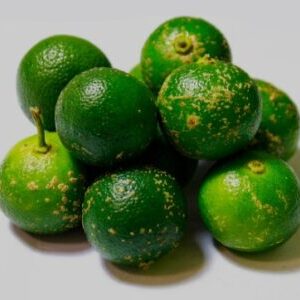
Calamansi thrives as a mid-level crop between the coconut rows, valued for its zesty juice and versatility in Filipino cuisine. Its compact growth allows efficient use of space while enhancing soil health through organic leaf fall. The fruit’s refreshing flavor makes it ideal for beverages, marinades, and processed goods. Calamansi represents both economic opportunity and a cultural staple across the Philippines.
Banana
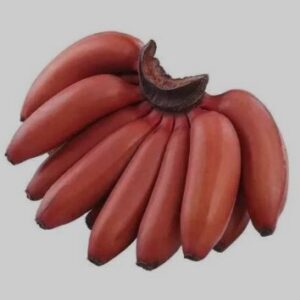
Bananas provide quick returns and year-round harvests, forming a living mulch between permanent crops. Their broad leaves enrich the soil and retain moisture, reducing the need for chemical inputs. Each variety—Saba, Latundan, Lakatan, and Morado—offers unique taste profiles suited for both fresh consumption and processing. Bananas also serve as feed for livestock, completing the farm’s circular system.
Cacao
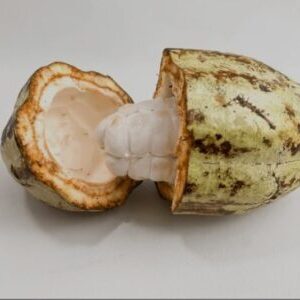
Cacao enriches the farm’s biodiversity and contributes to the global demand for fine-flavored chocolate. Growing comfortably in partial shade, it benefits from the protection of taller trees like coconuts. Its pods, once fermented and dried, produce rich cocoa beans that embody the taste of tropical Mindanao. The cultivation of cacao connects Jessie’s Sunshine Farm to the expanding artisanal chocolate movement.
Robusta Coffee
Coffee trees flourish beneath the filtered light of the coconut canopy, producing beans with a distinctive aroma and flavor profile. The intercropping design promotes soil fertility and water retention, ensuring sustainable yields. Locally grown coffee offers both a livelihood stream and a sensory experience for farm visitors. Each harvest celebrates the harmony between people, plants, and place.

Papaya
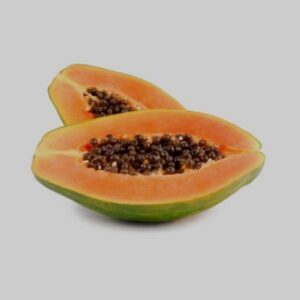
Papaya trees grow swiftly, filling sunny gaps between longer-maturing fruit trees. Their nutrient-rich fruits are a favorite for breakfast tables and natural health enthusiasts. Papaya contributes organic matter through its soft stems and large leaves, benefiting soil regeneration. As a fast-yielding crop, it supports both nutrition and short-term income goals for the farm.

Star Apple, Kaimito
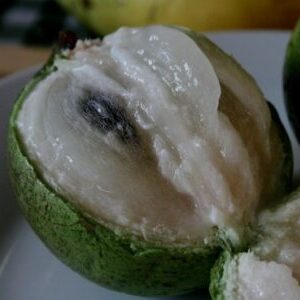
Star apple, known for its silky flesh and subtle sweetness, adds a layer of tropical delight to the farm. Its dense foliage improves air humidity and offers shade for lower crops. This tree plays a vital role in the mid-canopy system, supporting pollinators and enriching the ecosystem. Star apples are prized in local markets and serve as a refreshing treat for guests.
Avocado
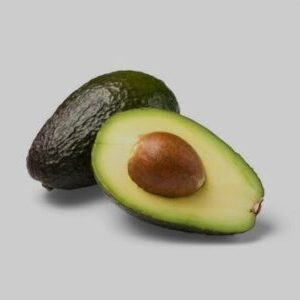
Avocado trees bring both nutrition and shade to Jessie’s Sunshine Farm, thriving under the mild protection of taller coconuts. Their creamy, nutrient-rich fruits are a premium commodity, known for healthy fats and export potential. The trees’ strong root systems help stabilize the soil, particularly on gentle slopes. As a mid-level crop, avocado enhances biodiversity while adding high-value produce to the farm’s portfolio.
Jackfruit, Langka
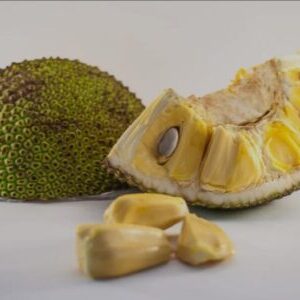
Jackfruit trees stand as sturdy providers of large, aromatic fruits packed with vitamins and dietary fiber. Their wide canopies contribute to the layered structure of the farm, giving light shade to lower-growing plants. The tree’s versatility—used for fresh fruit, dried chips, or meat substitutes—makes it a valuable crop for sustainable food production. Its wood and leaves also serve practical uses, reinforcing the farm’s zero-waste approach.
Dragon Fruit
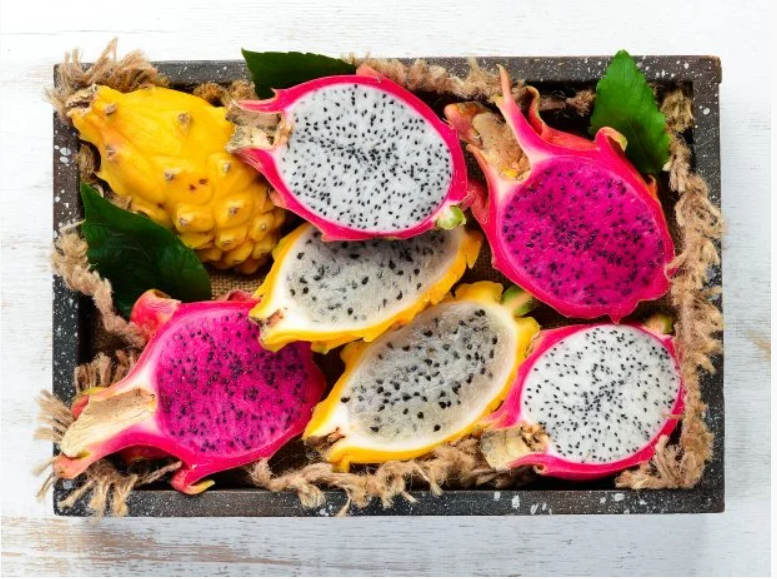
Dragon fruit (also known as pitaya or pitahaya) is the fruit of several species of climbing cacti in the
genus Hylocereus (now often classified under Selenicereus), native to Central America (southern Mexico
and parts of Costa Rica, etc.) but widely cultivated in tropical and subtropical regions worldwide like in the
Philippines.
Guidelines to Take Care of Fruit Trees.
Jessie’s Sunshine Farm is located in southern Bukidnon, central Mindanao, the southern island region of the Philippines, boasts a tropical climate with abundant rainfall, warm temperatures, and fertile volcanic soils, making it an ideal hub for fruit production. Fruits like Rambutan, Cebu Mango, Longkong Lanzones, Bananas, Durian, Mangosteen, Pomelo, Jackfruit, American Lemon, Guavapple, Sweet Guaynabo, Bangkok Santol, and Calamansi thrive here, contributing to local economies and diets.
Visit our Farm Maps
At Jessie’s Sunshine Farm, mapping is more than a documentation — it’s the backbone of our agroforestry system and the key to long-term sustainability. Every section, tree row, and access road is strategically planned to balance productivity, ecology, and maintenance. Here we document the intercropping maps of our sectors.
Naming Our Roads
Naming our access roads brings logistical clarity. Deliveries, harvesting teams, and emergency responses are guided safely and efficiently through clearly identified routes.