Coconuts

Everything Coconuts

Coconuts Construction Our Mindanao

The Unyielding Earth: A Farmer’s Fight against Erosion

Please Share our Content

Landslides and Heavy Rain

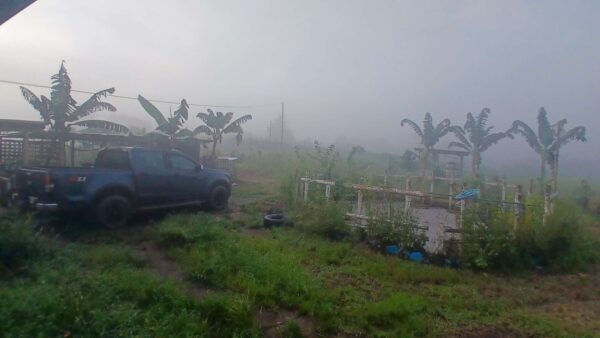
The land, a source of life and livelihood, is often a silent battleground. On our farm, nestled in the hills, this battle is fought daily against the relentless forces of erosion. The past few months have been a stark reminder and wake up call of nature’s power, as the soil, our most precious resource, slips away with every heavy rainfall. The scale of the problem is undeniable.

We’re losing an estimated 6 inches of soil each year. This isn’t just a statistic; it’s a visible reality. Roads are being swamped with sediment, and the roots of our coconut trees, once safely buried, are now exposed. In a matter of a decade, we fear our once-fertile hill will be barren. The situation is more than just a threat to our income; it’s a threat to our future.

Our young coconut trees, the promise of tomorrow, are particularly vulnerable. We’ve invested months in planting them, but their tender roots are no match for the forces of nature.

To combat this, we’ve embarked on a multi-pronged approach. We are building a drainage system to channel the water, and we are embracing terracing to slow down the flow. Planting vegetation has been a crucial step, but the young trees are still struggling. The most dramatic illustration of the problem comes during heavy rains. Then, our roads transform into raging creeks, torrents of brown water carrying away precious topsoil. The force of the water is immense, carving new channels, deepening and widening existing ones. The West Cliff Section, WCS, , in particular, has become a focal point of our struggles. During one especially violent storm, the saturated soil gave way, triggering a landslide. The earth, once firm, became a churning mass of mud and debris, cascading down the slope. The impact was devastating, not only taking away more of our precious land but also exposing the danger of slides and erosion, and creating a visible scar on the landscape. In the face of such challenges, it’s easy to feel overwhelmed.

Yet, the Bible reminds us in Genesis 1:28 that we are called to “fill the earth and subdue it.” This call is not just about exploitation; it’s about stewardship. It’s about caring for the land, recognizing its value, and working to protect it. Just as the parable of the sower teaches us about tending to the soil of our hearts, so too must we tend to the soil beneath our feet. We must continue to plant, build, and protect, trusting that even in the face of adversity, there is hope for renewal and a future harvest. The work is hard, but the promise of a fruitful land, sustained by our efforts and blessed by God Almighty, keeps us going.

Please Share our Content
Coconuts Construction Our Mindanao

Simple Ways to Stop Erosion

Please Share our Content

Erosion is a Challenge

Erosion is a persistent challenge that many of us face, especially in areas where heavy rainfall is common. It’s estimated that about 6 inches of soil is washed away each year o our farm, and this figure resonates with what I’ve observed in my own surroundings. The impact is particularly evident in our coconut groves, where the trees stand barren, their nuts exposed to the elements. This exposure creates a buffet for rats, who eagerly feast on the sweet meat inside the nuts, leading to the premature death of the plants before they can establish themselves.

The Strategy

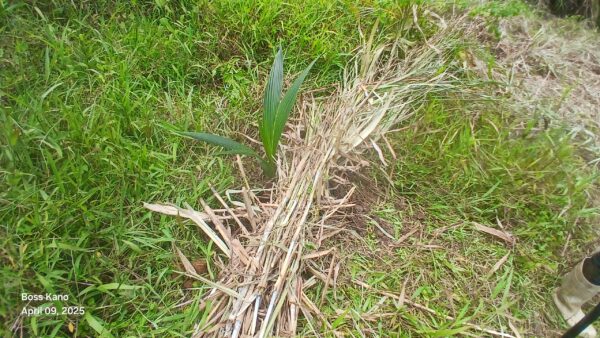
To combat this, we’ve developed a strategy that combines both traditional knowledge and practical solutions. Surrounding each coconut nut with four pegs and embedding a protective barrier of Napier Grass is our first line of defense. But it’s the addition of long lines of Napier grass following the contour of the slopes, along the cliff that truly makes a difference. The grass acts as a natural barrier against the relentless force of rainwater. When the rain falls, it carries soil downhill, but where we’ve laid down the grass, the water slows down. This deceleration allows the soil to settle, effectively creating a mini-reservoir of nutrients that would otherwise be lost.

Building Terraces over Time

The beauty of this method lies in its simplicity and effectiveness. The grass acts as a filter, allowing water to pass through while capturing soil particles. As the water flows, it picks up new soil from the areas below, cleans that area and levels is. The soil is then carried to the next barrier we’ve established. This creates a cascading effect, where each layer of grass and soil works together to retain what would otherwise be washed away. It will build terraces over time, nice straightened lines following the contour of the slopes.

In essence, we’re not just fighting erosion; we’re reshaping the landscape itself. By creating terraces, we’re not only retaining soil but also leveling the land after the retaining barriers. This approach not only helps in soil conservation but also enhances the overall health of our coconut trees. It’s a delicate balance of nature and human intervention, where we learn to work with the environment.

Land Preservation and Conservation

As I reflect on these practices, it’s clear that the fight against erosion is not just about preventing loss; it’s about fostering a sustainable ecosystem that supports our crops and livelihoods. Each step we take, from surrounding the nuts to planting grass, contributes to a larger goal of maintaining the integrity of our land. It’s a continuous journey, one that requires vigilance and adaptation, but the rewards—healthy coconut trees and a thriving landscape—make it all worthwhile.

What are your thoughts on these methods? Have you seen similar practices in your area?

Please Share our Content
Coconuts Our Mindanao

Planting more Hybrid Coconuts on the Cliff Section

Please Share our Content

Planting Hybrid Coconut Trees at West Cliff: A New Adventure!

Hey everyone! 🌴 Today, I’m excited to share our latest project at the West Cliff, where we’re diving into the world of hybrid coconut tree planting. It’s been a journey filled with planning, adjustments, and a sprinkle of creativity, and I can’t wait to fill you in on all the details!

The Layout Change

First off, let’s talk about the layout. We decided to reduce the distance between the trees from 9 meters to 8 meters. Why? Well, we wanted to maximize our space on the terrace-like slope of the cliff. By pushing for a triangular layout, we’ve managed to fit more trees into the area without compromising their growth potential. It’s all about making the most of what we have!

Sunlight Challenges

Now, here’s the catch: the 20-meter cliff above us means that sunlight will be a bit limited. With the growth on top of the cliff, we know our coconut trees might not get as much sun as they ideally need. But hey, we’re optimistic! We’ll take whatever sunlight we can get and adapt as the trees grow. After all, nature has a way of surprising us!

Planning for the Future

We’re also thinking ahead. As part of our layout, we’ve made sure to accommodate a future road into this section. This will not only make access easier but also help with maintenance down the line. And speaking of maintenance, we could really use some help here—if anyone has an excavator lying around, we’d love to borrow it! 😉

Erosion Control Efforts

On top of all that, we’re making strides in erosion control. We’ve started forming small natural retaining walls around the coconut trees. This is crucial because it helps stabilize the soil on the hill, allowing it to settle and increase nutrient content over time. Healthy soil means happy trees!

A New Landscape Awaits

Our ultimate goal is to create a beautiful new landscape that thrives in this unique environment. It’s a long-term vision, but we’re committed to nurturing these trees and watching them grow. Stay tuned for our next video clip, where we’ll share more about our progress and the exciting changes happening at West Cliff!

Thanks for following along on this journey with us. If you have any questions or tips about coconut tree planting, drop them in the comments! Let’s keep the conversation going! 🌱

Please Share our Content
Bananas Coconuts Our Mindanao

How to Plant Multiple Crops in Agroforestry

Please Share our Content

Multicropping and Trees

In recent years, sustainable farming practices have gained popularity as we seek to balance agricultural productivity with environmental responsibility. One effective method of achieving this balance is through agroforestry, which combines the cultivation of trees with crops and fruits. Our farm exemplifies this approach by integrating bananas into a carefully designed intercropping system that enhances both biodiversity and productivity. At the heart of our agroforestry model is the strategic planting of multiple crops together, rather than focusing on a single crop type. This practice, known as multicropping, utilizes diverse plant species to create a more resilient and efficient farming system. On our farm, we have developed a layout that alternates rows of coconut trees, coffee plants, and banana patches. This arrangement not only maximizes land use but also fosters ecological harmony.

The Strategic Relevance of Bananas

Bananas play a significant role in our intercropping strategy. They are often planted alongside coconut and coffee plants, providing shade that benefits the other crops. The large banana leaves help reduce sunlight exposure, creating a microclimate that promotes healthier growth for the coffee plants. Additionally, bananas are an excellent source of animal feed, ensuring that livestock on our farm receive nutritious sustenance while also reducing food waste.

The Basic Design and Layout

The design of our farm features a row of coconut trees intercropped with coffee, followed by a dedicated row of pure coffee plants. Next, we include a row of bananas to provide essential shading and animal forage. This sequence not only supports the growth of each crop but also helps prevent soil erosion and improves soil health through increased organic matter and root diversity. This balanced approach to farming offers numerous benefits. By diversifying our crops, we reduce the risks associated with pests and diseases that often affect monoculture systems. Furthermore, intercropping enhances soil fertility, as different plants contribute various nutrients and organic materials back into the soil. As a result, we can maintain higher yields without the heavy reliance on chemical fertilizers.

While the core planting scheme on our farm typically remains consistent, we are also open to adapting our layout depending on specific local conditions. This flexibility allows us to optimize growth and cater to the unique characteristics of different sections of the farm.

In conclusion, the integration of bananas in our agroforestry system exemplifies a sustainable farming model that respects nature while promoting productivity. By embracing multicropping and strategic intercropping, we not only cultivate a diverse range of crops but also work towards a more resilient and sustainable agricultural future. Our approach reflects a commitment to responsible farming practices that benefit both our community and the environment.

Please Share our Content
Coconuts Our Mindanao

Exploring a new Trail at the West Cliff

Please Share our Content

West Cliff Section

In the myriad complexities of agricultural landscapes, certain corners remain cloaked in mystique, offering a gateway to nature’s hidden treasures. One such location on our farm is the West Cliff Section—a rugged expanse that, until recently, had remained largely untouched. We have not yet traversed. As we embarked on the mission to cut back the towering Napier grass. It had claimed our paths. We stumbled upon rich discoveries. Not only delighted they our senses but enriched our appreciation for the land that sustains us. This essay endeavors to delve into the experience of exploring the West Cliff, unravel the wonders we encountered, and reflect on the implications of these discoveries on our understanding of nature, agriculture, and even culture.

Starapple Tree

In addition to the agricultural implications, the starapple’s presence connects us to the broader cultural narrative of an indigenous food system. Fruits like the starapple are more than gastronomical delights. In contrast, they are parts of culinary history, woven into the fabric of regional cultures. Such fruits represent the bounty of our environment, foods often misunderstood outside their native contexts.

Undiscovered Fruits

Contemplating the culinary landscape of North America and Europe, one is reminded of the myriad flavors that remain undiscovered by many. Hence, the advent of globalization has integrated numerous exotic items into mainstream cuisines; however, the starapple—an exquisite delight bursting with subtle sweetness—has yet to find its rightful place. Advocating for awareness around such fruits offers an opportunity to enrich culinary experiences. Therefore it could promote diverse dietary habits.

Cutting Grass and Trail

My exploration of the West Cliff Section of our farm transcended a mere cutting of grass; it was a journey of discovery, reflection, and an affirmation of the intricate web of life that characterizes agricultural landscapes. Through the serendipitous find of the starapple tree, we have bolstered our understanding of biodiversity and its significance in sustainable agricultural practices.

The Perils of the Devils Hole

The perils faced near the Devil’s Hole reminded us of our responsibilities as custodians of the land, while the North Meadow Section represents hope and potential for future growth. Our experience compels us to look beyond our familiar terrain. Indeed, urging us to acknowledge and embrace the hidden treasures lurking in the wilderness of our land. All overall, this journey stands as a testament to the interconnections between ecology, culture, and agriculture—an intricate dance that shapes our existence and influences the legacy we leave behind.

Please Share our Content