Tag: Coconuts

Our Mindanao

Great is living under Coconut Trees

Living Under Coconut Trees on a Plantation:

Jessie’s Sunshine Farm

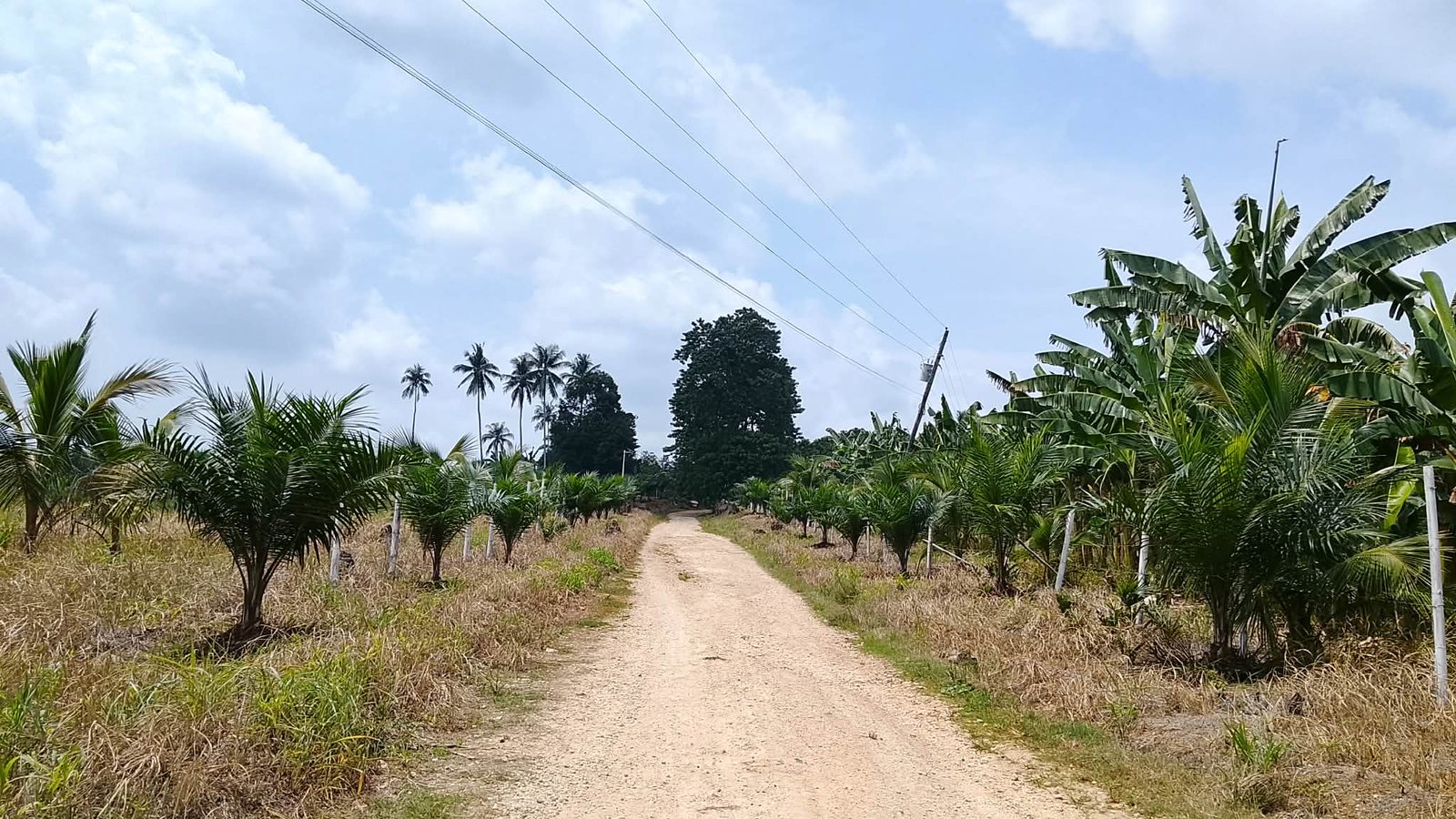
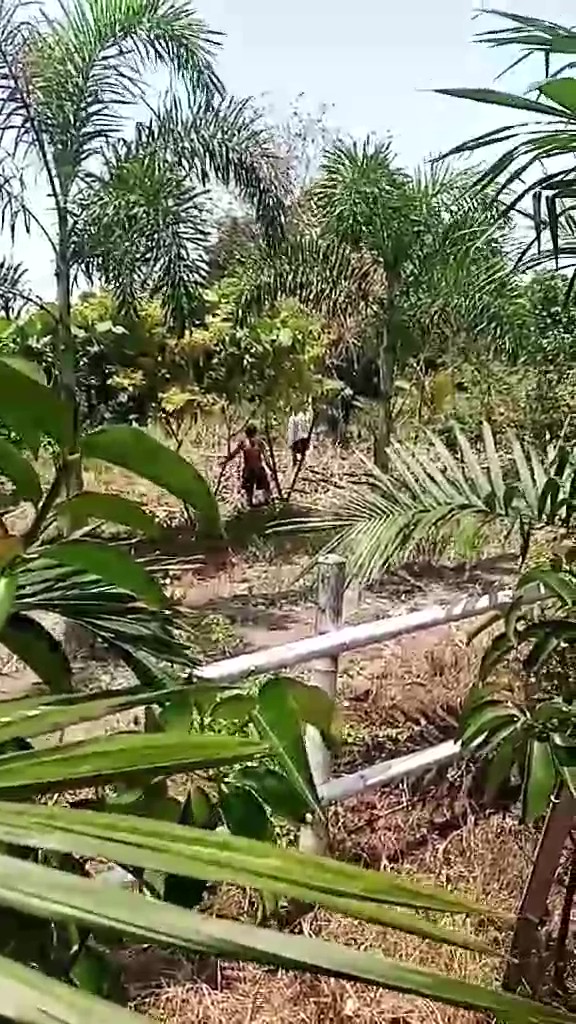
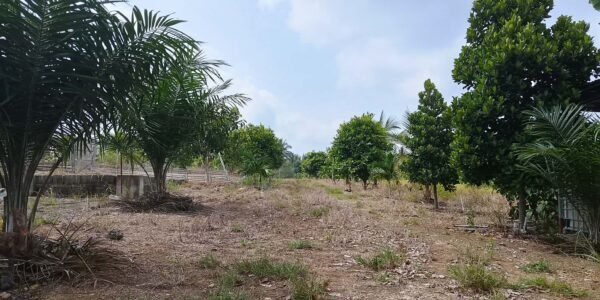
In the heart of Central Mindanao, where the warm Philippine sun kisses rolling hills and gentle breezes carry the scent of earth and possibility, lies Jessie’s Sunshine Farm. Here, life unfolds beneath the towering majesty of coconut palms—an agroforestry haven where tall coconuts create a living canopy over thriving fruit trees, bananas, and vibrant undergrowth. This is more than a plantation; it is a testament to faithful stewardship, a place where each day whispers promises of growth, resilience, and legacy.

Can you imagine your life?

Imagine waking to the soft rustle of fronds overhead, the golden light filtering through the green lattice above. At Jessie’s Sunshine Farm in Don Carlos, Bukidnon, mornings begin with purpose. The air is alive with birdsong and the distant hum of activity. Workers tend to the land with care—pruning, fertilizing, nurturing the soil that sustains this two-tiered ecosystem. Coconuts stand sentinel, their deep roots anchoring the earth against erosion while their shade protects younger fruit trees below. This intercropping is not mere farming; it is harmony with nature’s design, restoring balance, conserving moisture, and fostering biodiversity in every contour-planted row.

Life under these coconut trees teaches profound lessons. Challenges arrive with the rains. We have landslides, heavy downpours, unpredictable weather. But they forge resilience. Every obstacle becomes an opportunity to innovate: improving roads, enhancing irrigation, strengthening systems. The team at the farm embodies perseverance, supporting one another through shared labor and mutual respect. Here, farm life is a classroom without walls. Traditional wisdom meets forward-thinking practices. Workers gain skills, families find dignity in honest work, and the community grows stronger together. It is a living example of how agriculture can empower, not just produce.

Glorify the Lord in all you do!

What makes Jessie’s Sunshine Farm truly inspiring is its deeper mission: “To glorify God’s Creation through faithful stewardship; planting today what will bless our children and their children tomorrow.” This is no empty slogan. Every palm planted, every fruit tree nurtured, reflects a commitment to sustainability and faith. The farm stands as a beacon of hope in Mindanao, demonstrating that responsible cultivation can yield abundance while healing the land. Visitors are welcomed into this vision through eco-tourism experiences. Guided walks reveal the beauty of virgin coconut oil processes, the diversity of fruit trees, and the quiet power of agroforestry. Families, students, and travelers leave inspired, carrying seeds of knowledge to plant in their own lives.

Beneath the coconut canopy, time slows. Afternoons bring the satisfaction of harvest; the thud of mature nuts, the sweet aroma of ripening bananas, the vibrant colors of emerging fruits and flowers. Evenings glow with stories shared among the team, celebrations of small victories, and reflections on the greater purpose. This is sustainable living at its most beautiful: multi-layered income streams from coconuts, fruits, and tourism; education that builds skilled stewards; and a community rooted in faith, honesty, and excellence.

Create truthful Relationships

Jessie’s Sunshine Farm invites us to reimagine our relationship with the earth. In a world often hurried and disconnected, it reminds us that true wealth lies in fertile soil, strong roots, and lives lived with intention. The plantation is not just rows of trees but a legacy project—a sustainable vision where ecology, economy, and spirituality intertwine. It shows that by working with creation rather than against it, we can create abundance that endures.

As the sun sets over the groves, casting long shadows from the palms, one feels a profound sense of belonging. Living under coconut trees at Jessie’s Sunshine Farm is to embrace simplicity and wonder simultaneously. It is to participate in something eternal: the cycle of growth, the joy of stewardship, and the quiet certainty that what we plant today will shelter and nourish generations tomorrow. Here, in the sunshine of Mindanao, hope takes root, and dreams bear fruit—literally and figuratively. This farm is proof that paradise is not a distant ideal but a daily choice, cultivated row by row, tree by tree, under the watchful fronds of the coconut palms.

Please Share our Content
Coconuts Fruit Trees Our Mindanao

Our Coconuts needed a Swift and Successful Rescue

At Jessie’s Sunshine Farm, every new day begins with a quiet promise: that the land, when cared for with diligence and respect, will return life and harvest in abundance. Yet there are seasons when the work feels heavier than usual, when the grass grows thick and stubborn, when non-value trees stretch wild without guidance, Hagonoys try to overtake the Coconuts, when crawlers and stranglers hold your feet in place and make you fall.

“There are people who will starve because they have no food
but then there are also people who cry about scarcity of food
because they don’t use their hands while sitting in a banana plantation.

The first is in need and shall be helped,
the latter is lazy and shall be expelled”
Boss Kano, March 2026

And when the efforts of those before fell short on every aspect of what the land truly needed then it is time to put the hammer down. In these moments, the call to stewardship becomes even more meaningful.

Weeding of Grass

Weeding grass is more than a routine task; it is an act of reclaiming space for growth. Each unwanted blade removed is a step toward restoring balance, allowing wanted crops and value trees to breathe, to draw nourishment, and to thrive without competition. It requires patience and persistence, but it also teaches us that small, consistent efforts can transform even the most neglected ground.

Pruning of Trees

Pruning trees carries a similar lesson. At first glance, cutting away branches may seem harsh, but it is a careful and necessary act of renewal. By removing what is overgrown or unproductive, we make room for stronger, healthier growth. The tree, once burdened, begins to channel its energy into bearing better fruit. In this way, pruning reminds us that progress often requires letting go of what no longer serves the purpose of Jessie’s Sunshine Farm.

Spraying Herbicides

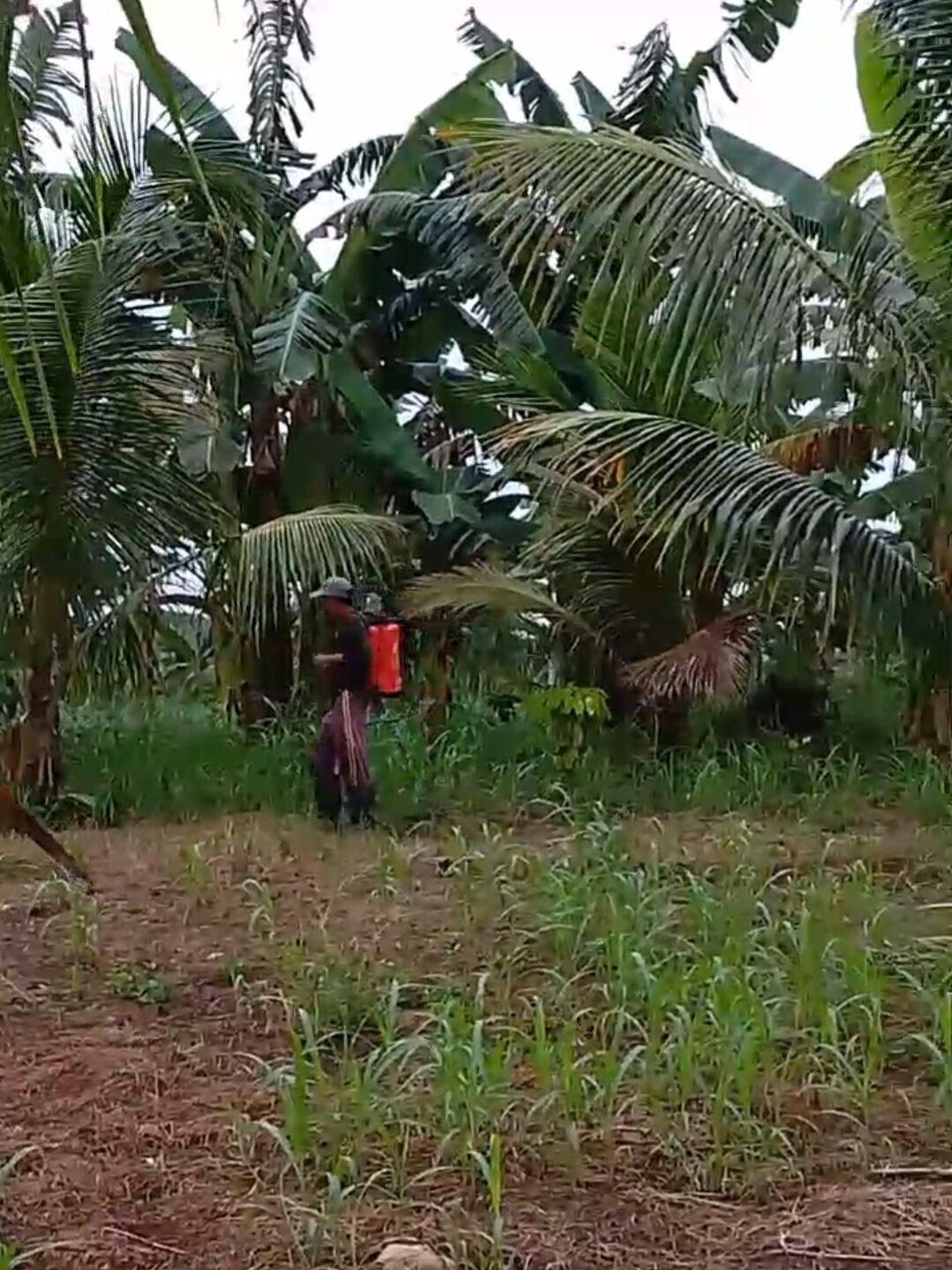
Spraying herbicides, when done responsibly and thoughtfully, is another tool in restoring order. It is not about taking shortcuts, but about supporting the land where manual efforts alone are not enough. Used with care, it protects the farm from being overtaken, ensuring that the work invested in planting and nurturing is not undone.

The Privious Crew

Though the previous crew may not have fulfilled their duties and responsibilities, the present team holds the cards to reshape the farm’s future. Knowledge, skills, and trust must work together. When one of the pillars fails then the value disappears in full. If the word of a man has no value then the man cannot be trusted. The condition of the farm have much improved since January 2026. With discipline, unity, and a renewed sense of purpose, Jessie’s Sunshine Farm can once again reflect the beauty and productivity it was meant to embody.

pruning trees

Every weed pulled, every branch pruned, and every careful action taken is a declaration: that this land matters, and that its care is in capable hands. We are the Stewards of the Land only. The Lord has given it to us to protect it. And so we will do.

Please Share our Content
Coconuts Our Mindanao

Planting more Hybrid Coconuts on the Cliff Section

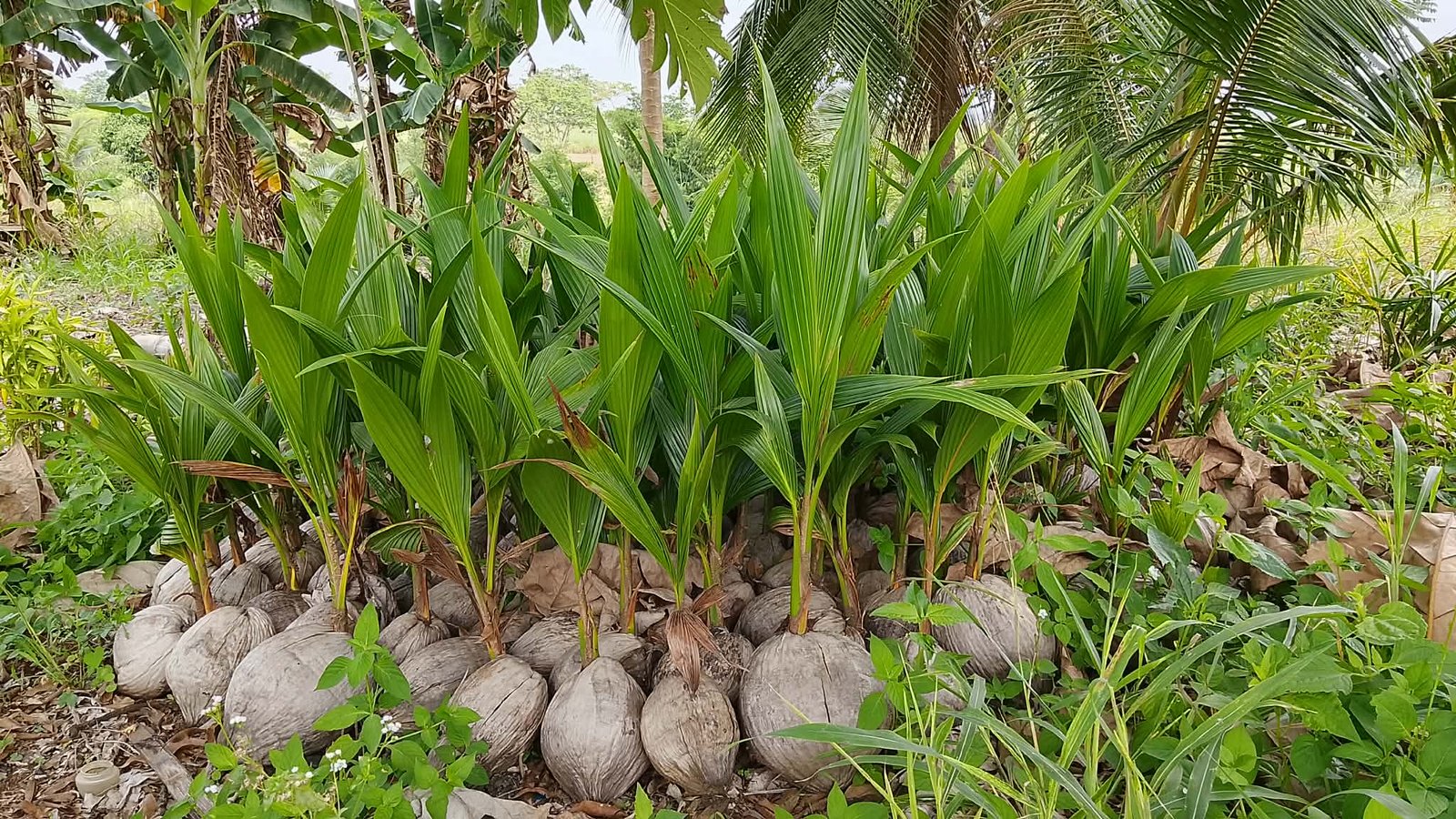
Planting Hybrid Coconut Trees at West Cliff: A New Adventure!

Hey everyone! 🌴 Today, I’m excited to share our latest project at the West Cliff, where we’re diving into the world of hybrid coconut tree planting. It’s been a journey filled with planning, adjustments, and a sprinkle of creativity, and I can’t wait to fill you in on all the details!

The Layout Change

First off, let’s talk about the layout. We decided to reduce the distance between the trees from 9 meters to 8 meters. Why? Well, we wanted to maximize our space on the terrace-like slope of the cliff. By pushing for a triangular layout, we’ve managed to fit more trees into the area without compromising their growth potential. It’s all about making the most of what we have!

Sunlight Challenges

Now, here’s the catch: the 20-meter cliff above us means that sunlight will be a bit limited. With the growth on top of the cliff, we know our coconut trees might not get as much sun as they ideally need. But hey, we’re optimistic! We’ll take whatever sunlight we can get and adapt as the trees grow. After all, nature has a way of surprising us!

Planning for the Future

We’re also thinking ahead. As part of our layout, we’ve made sure to accommodate a future road into this section. This will not only make access easier but also help with maintenance down the line. And speaking of maintenance, we could really use some help here—if anyone has an excavator lying around, we’d love to borrow it! 😉

Erosion Control Efforts

On top of all that, we’re making strides in erosion control. We’ve started forming small natural retaining walls around the coconut trees. This is crucial because it helps stabilize the soil on the hill, allowing it to settle and increase nutrient content over time. Healthy soil means happy trees!

A New Landscape Awaits

Our ultimate goal is to create a beautiful new landscape that thrives in this unique environment. It’s a long-term vision, but we’re committed to nurturing these trees and watching them grow. Stay tuned for our next video clip, where we’ll share more about our progress and the exciting changes happening at West Cliff!

Thanks for following along on this journey with us. If you have any questions or tips about coconut tree planting, drop them in the comments! Let’s keep the conversation going! 🌱

Please Share our Content
Bananas Coconuts Our Mindanao

How to Plant Multiple Crops in Agroforestry

Multicropping and Trees

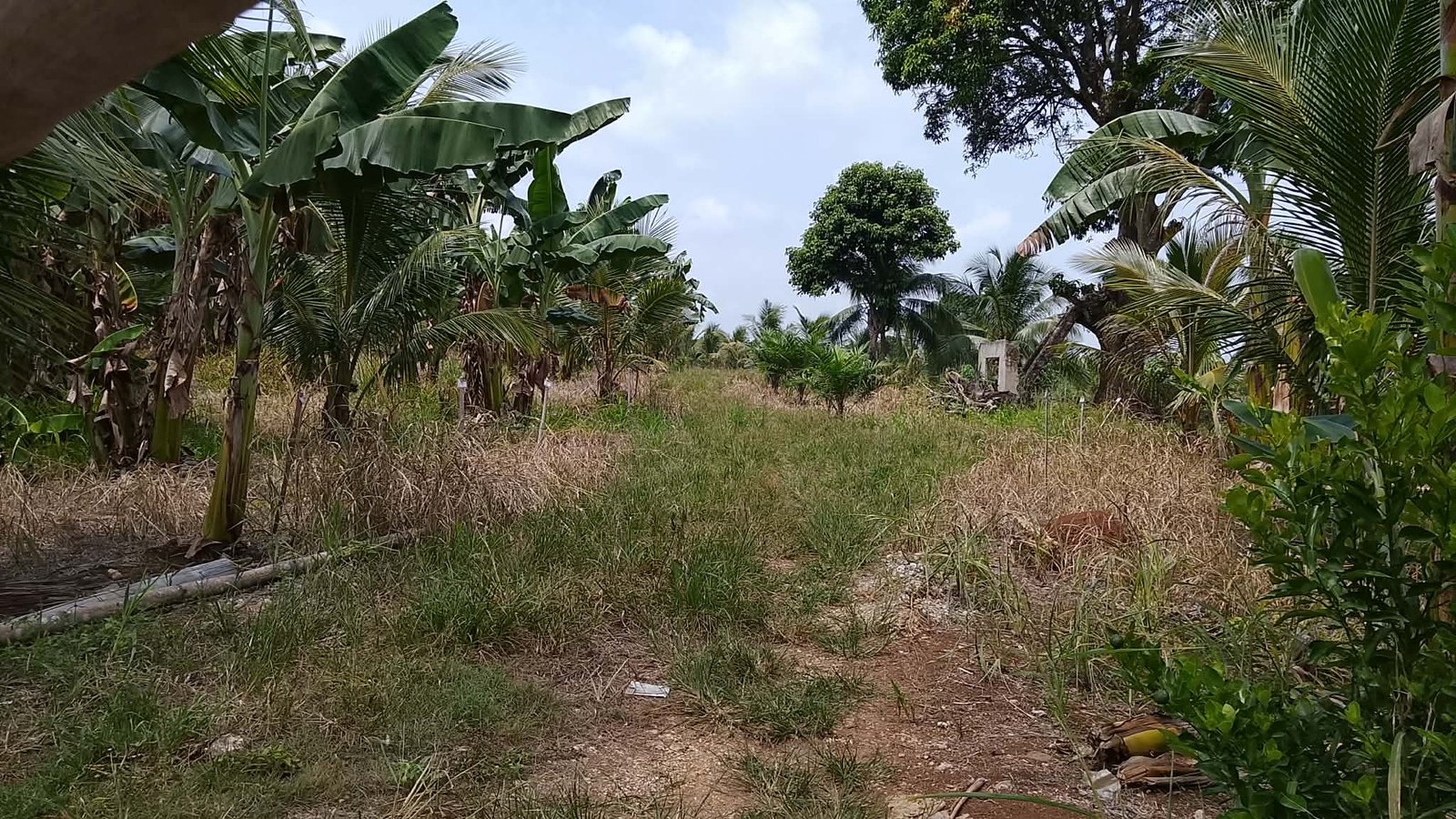
In recent years, sustainable farming practices have gained popularity as we seek to balance agricultural productivity with environmental responsibility. One effective method of achieving this balance is through agroforestry, which combines the cultivation of trees with crops and fruits. Our farm exemplifies this approach by integrating bananas into a carefully designed intercropping system that enhances both biodiversity and productivity. At the heart of our agroforestry model is the strategic planting of multiple crops together, rather than focusing on a single crop type. This practice, known as multicropping, utilizes diverse plant species to create a more resilient and efficient farming system. On our farm, we have developed a layout that alternates rows of coconut trees, coffee plants, and banana patches. This arrangement not only maximizes land use but also fosters ecological harmony.

The Strategic Relevance of Bananas

Bananas play a significant role in our intercropping strategy. They are often planted alongside coconut and coffee plants, providing shade that benefits the other crops. The large banana leaves help reduce sunlight exposure, creating a microclimate that promotes healthier growth for the coffee plants. Additionally, bananas are an excellent source of animal feed, ensuring that livestock on our farm receive nutritious sustenance while also reducing food waste.

The Basic Design and Layout

The design of our farm features a row of coconut trees intercropped with coffee, followed by a dedicated row of pure coffee plants. Next, we include a row of bananas to provide essential shading and animal forage. This sequence not only supports the growth of each crop but also helps prevent soil erosion and improves soil health through increased organic matter and root diversity. This balanced approach to farming offers numerous benefits. By diversifying our crops, we reduce the risks associated with pests and diseases that often affect monoculture systems. Furthermore, intercropping enhances soil fertility, as different plants contribute various nutrients and organic materials back into the soil. As a result, we can maintain higher yields without the heavy reliance on chemical fertilizers.

While the core planting scheme on our farm typically remains consistent, we are also open to adapting our layout depending on specific local conditions. This flexibility allows us to optimize growth and cater to the unique characteristics of different sections of the farm.

In conclusion, the integration of bananas in our agroforestry system exemplifies a sustainable farming model that respects nature while promoting productivity. By embracing multicropping and strategic intercropping, we not only cultivate a diverse range of crops but also work towards a more resilient and sustainable agricultural future. Our approach reflects a commitment to responsible farming practices that benefit both our community and the environment.

Please Share our Content
Coconuts Our Mindanao

Exploring a new Trail at the West Cliff

West Cliff Section

In the myriad complexities of agricultural landscapes, certain corners remain cloaked in mystique, offering a gateway to nature’s hidden treasures. One such location on our farm is the West Cliff Section—a rugged expanse that, until recently, had remained largely untouched. We have not yet traversed. As we embarked on the mission to cut back the towering Napier grass. It had claimed our paths. We stumbled upon rich discoveries. Not only delighted they our senses but enriched our appreciation for the land that sustains us. This essay endeavors to delve into the experience of exploring the West Cliff, unravel the wonders we encountered, and reflect on the implications of these discoveries on our understanding of nature, agriculture, and even culture.

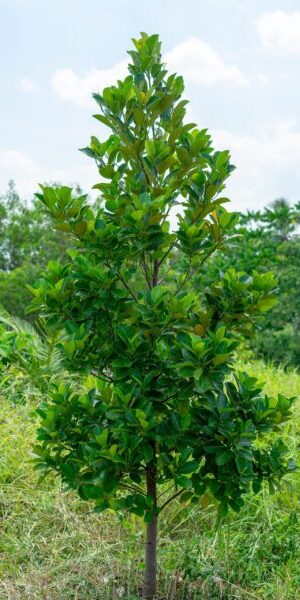
Starapple Tree

In addition to the agricultural implications, the starapple’s presence connects us to the broader cultural narrative of an indigenous food system. Fruits like the starapple are more than gastronomical delights. In contrast, they are parts of culinary history, woven into the fabric of regional cultures. Such fruits represent the bounty of our environment, foods often misunderstood outside their native contexts.

Undiscovered Fruits

Contemplating the culinary landscape of North America and Europe, one is reminded of the myriad flavors that remain undiscovered by many. Hence, the advent of globalization has integrated numerous exotic items into mainstream cuisines; however, the starapple—an exquisite delight bursting with subtle sweetness—has yet to find its rightful place. Advocating for awareness around such fruits offers an opportunity to enrich culinary experiences. Therefore it could promote diverse dietary habits.

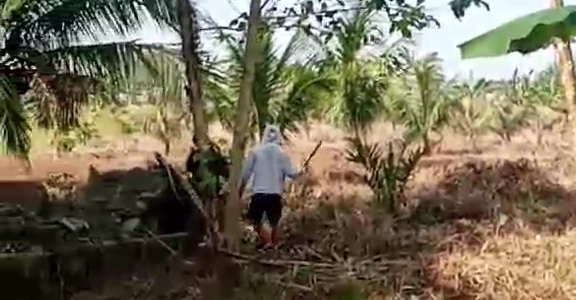
Cutting Grass and Trail

My exploration of the West Cliff Section of our farm transcended a mere cutting of grass; it was a journey of discovery, reflection, and an affirmation of the intricate web of life that characterizes agricultural landscapes. Through the serendipitous find of the starapple tree, we have bolstered our understanding of biodiversity and its significance in sustainable agricultural practices.

The Perils of the Devils Hole

The perils faced near the Devil’s Hole reminded us of our responsibilities as custodians of the land, while the North Meadow Section represents hope and potential for future growth. Our experience compels us to look beyond our familiar terrain. Indeed, urging us to acknowledge and embrace the hidden treasures lurking in the wilderness of our land. All overall, this journey stands as a testament to the interconnections between ecology, culture, and agriculture—an intricate dance that shapes our existence and influences the legacy we leave behind.

Please Share our Content