Tag: Coconuts

Coconuts Our Mindanao

Planting more Hybrid Coconuts on the Cliff Section

Please Share our Content

Planting Hybrid Coconut Trees at West Cliff: A New Adventure!

Hey everyone! 🌴 Today, I’m excited to share our latest project at the West Cliff, where we’re diving into the world of hybrid coconut tree planting. It’s been a journey filled with planning, adjustments, and a sprinkle of creativity, and I can’t wait to fill you in on all the details!

The Layout Change

First off, let’s talk about the layout. We decided to reduce the distance between the trees from 9 meters to 8 meters. Why? Well, we wanted to maximize our space on the terrace-like slope of the cliff. By pushing for a triangular layout, we’ve managed to fit more trees into the area without compromising their growth potential. It’s all about making the most of what we have!

Sunlight Challenges

Now, here’s the catch: the 20-meter cliff above us means that sunlight will be a bit limited. With the growth on top of the cliff, we know our coconut trees might not get as much sun as they ideally need. But hey, we’re optimistic! We’ll take whatever sunlight we can get and adapt as the trees grow. After all, nature has a way of surprising us!

Planning for the Future

We’re also thinking ahead. As part of our layout, we’ve made sure to accommodate a future road into this section. This will not only make access easier but also help with maintenance down the line. And speaking of maintenance, we could really use some help here—if anyone has an excavator lying around, we’d love to borrow it! 😉

Erosion Control Efforts

On top of all that, we’re making strides in erosion control. We’ve started forming small natural retaining walls around the coconut trees. This is crucial because it helps stabilize the soil on the hill, allowing it to settle and increase nutrient content over time. Healthy soil means happy trees!

A New Landscape Awaits

Our ultimate goal is to create a beautiful new landscape that thrives in this unique environment. It’s a long-term vision, but we’re committed to nurturing these trees and watching them grow. Stay tuned for our next video clip, where we’ll share more about our progress and the exciting changes happening at West Cliff!

Thanks for following along on this journey with us. If you have any questions or tips about coconut tree planting, drop them in the comments! Let’s keep the conversation going! 🌱

Please Share our Content
Bananas Coconuts Our Mindanao

How to Plant Multiple Crops in Agroforestry

Please Share our Content

Multicropping and Trees

In recent years, sustainable farming practices have gained popularity as we seek to balance agricultural productivity with environmental responsibility. One effective method of achieving this balance is through agroforestry, which combines the cultivation of trees with crops and fruits. Our farm exemplifies this approach by integrating bananas into a carefully designed intercropping system that enhances both biodiversity and productivity. At the heart of our agroforestry model is the strategic planting of multiple crops together, rather than focusing on a single crop type. This practice, known as multicropping, utilizes diverse plant species to create a more resilient and efficient farming system. On our farm, we have developed a layout that alternates rows of coconut trees, coffee plants, and banana patches. This arrangement not only maximizes land use but also fosters ecological harmony.

The Strategic Relevance of Bananas

Bananas play a significant role in our intercropping strategy. They are often planted alongside coconut and coffee plants, providing shade that benefits the other crops. The large banana leaves help reduce sunlight exposure, creating a microclimate that promotes healthier growth for the coffee plants. Additionally, bananas are an excellent source of animal feed, ensuring that livestock on our farm receive nutritious sustenance while also reducing food waste.

The Basic Design and Layout

The design of our farm features a row of coconut trees intercropped with coffee, followed by a dedicated row of pure coffee plants. Next, we include a row of bananas to provide essential shading and animal forage. This sequence not only supports the growth of each crop but also helps prevent soil erosion and improves soil health through increased organic matter and root diversity. This balanced approach to farming offers numerous benefits. By diversifying our crops, we reduce the risks associated with pests and diseases that often affect monoculture systems. Furthermore, intercropping enhances soil fertility, as different plants contribute various nutrients and organic materials back into the soil. As a result, we can maintain higher yields without the heavy reliance on chemical fertilizers.

While the core planting scheme on our farm typically remains consistent, we are also open to adapting our layout depending on specific local conditions. This flexibility allows us to optimize growth and cater to the unique characteristics of different sections of the farm.

In conclusion, the integration of bananas in our agroforestry system exemplifies a sustainable farming model that respects nature while promoting productivity. By embracing multicropping and strategic intercropping, we not only cultivate a diverse range of crops but also work towards a more resilient and sustainable agricultural future. Our approach reflects a commitment to responsible farming practices that benefit both our community and the environment.

Please Share our Content
Coconuts Our Mindanao

Exploring a new Trail at the West Cliff

Please Share our Content

West Cliff Section

In the myriad complexities of agricultural landscapes, certain corners remain cloaked in mystique, offering a gateway to nature’s hidden treasures. One such location on our farm is the West Cliff Section—a rugged expanse that, until recently, had remained largely untouched. We have not yet traversed. As we embarked on the mission to cut back the towering Napier grass. It had claimed our paths. We stumbled upon rich discoveries. Not only delighted they our senses but enriched our appreciation for the land that sustains us. This essay endeavors to delve into the experience of exploring the West Cliff, unravel the wonders we encountered, and reflect on the implications of these discoveries on our understanding of nature, agriculture, and even culture.

Starapple Tree

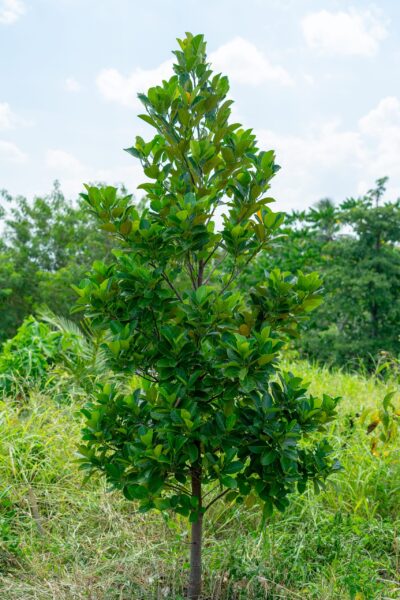
In addition to the agricultural implications, the starapple’s presence connects us to the broader cultural narrative of an indigenous food system. Fruits like the starapple are more than gastronomical delights. In contrast, they are parts of culinary history, woven into the fabric of regional cultures. Such fruits represent the bounty of our environment, foods often misunderstood outside their native contexts.

Undiscovered Fruits

Contemplating the culinary landscape of North America and Europe, one is reminded of the myriad flavors that remain undiscovered by many. Hence, the advent of globalization has integrated numerous exotic items into mainstream cuisines; however, the starapple—an exquisite delight bursting with subtle sweetness—has yet to find its rightful place. Advocating for awareness around such fruits offers an opportunity to enrich culinary experiences. Therefore it could promote diverse dietary habits.

Cutting Grass and Trail

My exploration of the West Cliff Section of our farm transcended a mere cutting of grass; it was a journey of discovery, reflection, and an affirmation of the intricate web of life that characterizes agricultural landscapes. Through the serendipitous find of the starapple tree, we have bolstered our understanding of biodiversity and its significance in sustainable agricultural practices.

The Perils of the Devils Hole

The perils faced near the Devil’s Hole reminded us of our responsibilities as custodians of the land, while the North Meadow Section represents hope and potential for future growth. Our experience compels us to look beyond our familiar terrain. Indeed, urging us to acknowledge and embrace the hidden treasures lurking in the wilderness of our land. All overall, this journey stands as a testament to the interconnections between ecology, culture, and agriculture—an intricate dance that shapes our existence and influences the legacy we leave behind.

Please Share our Content
Coconuts Our Mindanao

Tiring Work under Enormous Heat for Tree Planting

Please Share our Content

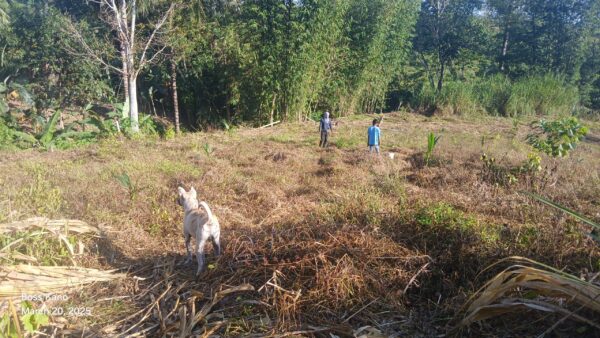
The sun hung high in the sky, casting relentless rays on the North West Meadow Section where we gathered to embark on our ambitious project of planting 75 hybrid coconut trees. The terrain was undeniably challenging – a sloped landscape ending in an alluvial fan with troublesome water run-offs and potential landslide areas. This terrain creating an environment that demanded both resilience and teamwork.

As we stood at the edge of the cliff, mentally preparing ourselves for the task ahead, I couldn’t help but admire the lush surroundings; the beauty of nature never ceased to inspire me. However, as I looked at the steep drop, I knew we had our work cut out for us. With coconut seedlings hoisted on our shoulders, we carefully navigated the descent, each step requiring caution and balance. The heat was unyielding, with temperatures soaring to a blistering 35 degrees, but the challenge only fueled our determination.

Our First Mission in the Valley

Our first mission was to tackle the thick weeds that had laid claim to the land. Armed with herbicides, and shovels, and sheer willpower, we cleared the area where needed. The sweat was cascading down our brows and was proof of our labor. As the days went by, we laid out the designated spots for the coconuts, driving stakes into the ground to mark their future home. The excitement was palpable as we discussed our strategy: Furadan, salt, and fertilizer would act as the nurturing triad to ensure our coconut trees flourished in their new environment.

Prepping the Ground

The preparation required meticulous attention to detail. We decided to dig the holes a little deeper than usual, anticipating the erosion that might accompany the impending rains. The thought of soil being swept away by runoff and laying bar our coconuts was a daunting prospect, so each hole was carved with care and precision. Once everything was in place, we transitioned to using the auger, drilling holes with determination and purpose. Finally, the moment came; one by one, we planted the coconuts, gently nestled in their new homes.

The Evening comes Big Rain

As the evening approached, dark clouds rolled in, promising relief from the relentless sun. I felt a wave of anticipation wash over the team as raindrops began to fall, nourishing the soil and our newly planted saplings. A day later, more rain came, greasing the wheels of nature’s cycle just as we hoped. With our first section complete, a sense of achievement enveloped us.

It is time to move on to the next chapter of our journey: The West Cliff Section awaited us. With the experience gained from our efforts in the North West Meadow Section, we will be better equipped for the challenges ahead. Each step we took not only drew us closer to our goal of planting hybrid coconut trees but also forged memories that would linger long after the coconuts began to flourish. Through hard work, collaboration, and a deep-rooted connection to the land, we would continue planting seeds of hope, literally and metaphorically, in the canvas of nature.

Please Share our Content
Coconuts Construction Our Mindanao Visitors

How to start a Farm in 2024

Please Share our Content

The dawn of Jessie’s Sunshine Farm shines as a beacon of hope and faithful stewardship in the rolling hills of Don Carlos, Bukidnon, Mindanao, Philippines.

How it begun

It began with a heartfelt vision in January 2024: to transform several hectares of rugged land, once covered in bush and overgrowth, into a thriving agroforestry haven. Guided by deep faith and a commitment to honor God through responsible care of creation, we embraced the land as both gift and responsibility. We set out to plant tall coconut palms intercropped with vibrant fruit trees, creating a two-tier canopy system that would nurture soil, conserve water, reduce erosion, and celebrate biodiversity. Combined with small animals like pabos, goats, and swine.

The Early Days

From the earliest days, the work was hands-on and resilient. Teams cleared challenging terrain, faced heavy rains and landslides, and turned obstacles into opportunities for growth. Mornings broke with promise. Sunlight filtering through emerging fronds, birdsong filling the air, as workers pruned, tended soil, and built infrastructure with perseverance and purpose. Roads and small buildings. Every tree planted carried a prayer for future generations: abundance not just for one family, but for the wider community through jobs, eco-tourism, and shared learning.

We are Christians

Rooted in Christian values of integrity, compassion, and excellence, Jessie’s Sunshine Farm was never merely a business. It became a living ministry, blending traditional wisdom with sustainable practices to create a refuge of peace, productivity, and possibility. Challenges like unpredictable weather tested character, yet we forged stronger systems, deeper community bonds, and renewed determination.

The Mission isn’t finished

Today, visitors and workers alike witness the miracle of transformation: from untamed earth to groves heavy with potential, where dedication meets divine provision. Jessie’s Sunshine Farm reminds us that great legacies begin with one seed, one act of faithful labor, and the quiet courage to nurture what will outlast us. Here, under Mindanao’s generous sun, hope takes root and grows strong.

Please Share our Content